
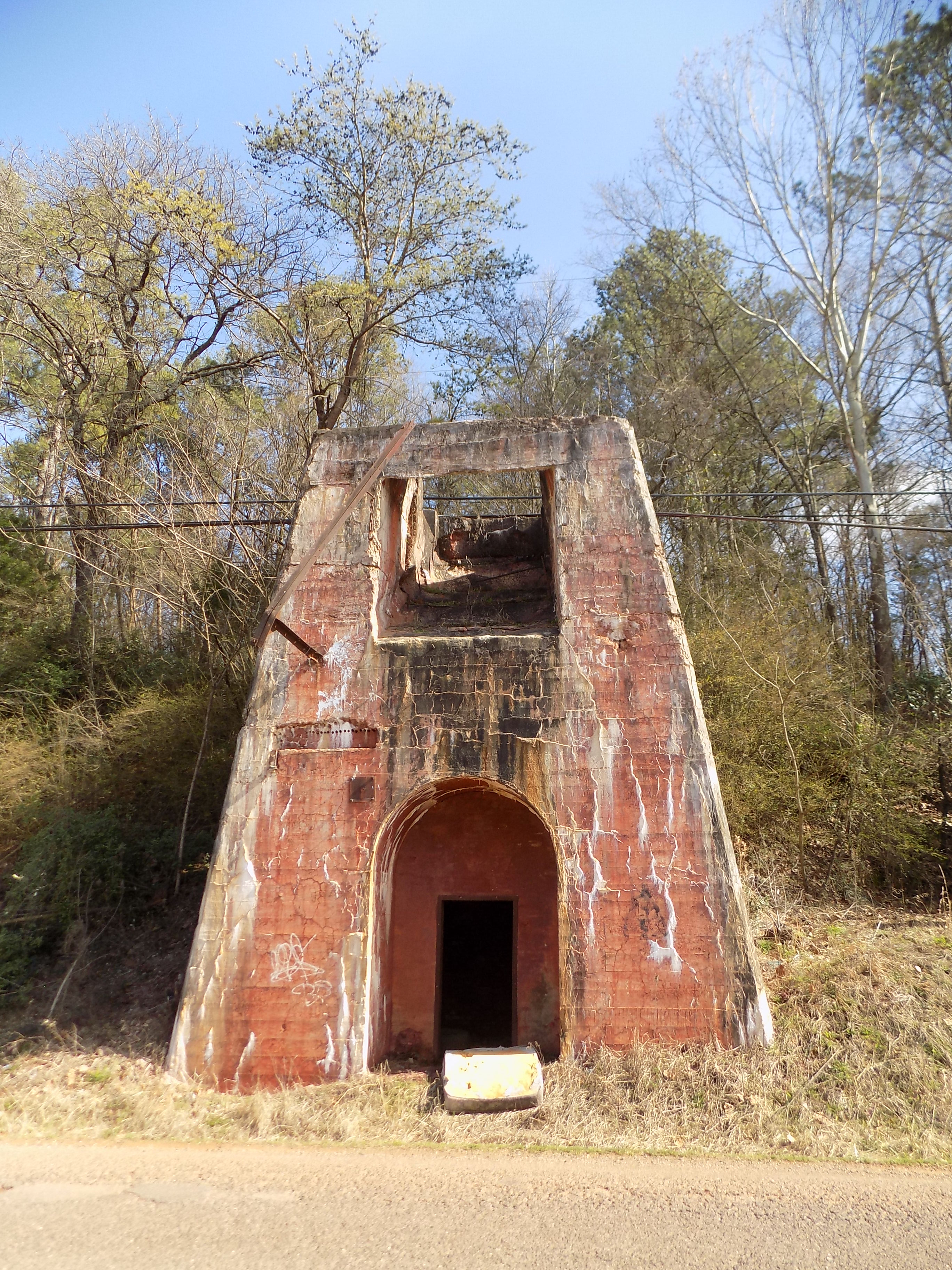
 Taking a shortcut to a doctor’s appointment a while back, I absent-mindedly missed my turn. The trigger that cued me was the gaping and abandoned entrance to a mine structure which was sitting right there on the side of the road. I had never seen it before, realized I had just missed my turn, and vowed to come back and photograph the place when I had more time.
This new-to-me site was near a community of mining-cottage style houses that I had passed often, remnants of the Muscoda red ore mining operation. Back when the miners lived in company housing, communities would pop up of mostly uniform houses of vernacular design. In the Muscoda community of Bessemer, a few miles from Birmingham, these houses can still be found dotting the area. The particularly striking style that seems to predominate around certain parts of Bessemer is recognizable by its pyramidal roof topped by a chimney. These houses typically were four rooms with a living and kitchen area to one side, two bedrooms on the other side, and a central fireplace to heat the house. Some of the houses still standing appear to have been amended and expanded over time, bathrooms for sure have been added, but others seem to have remained essentially true to their original design. To me, they are elegant in their simplicity; the masonry of the mine structures is elegant decay.
 These reminders of the Birmingham district’s industrial past are everywhere and I am always pleased when I discover ones I did not notice before. Remnants of mining railroads, steel factories, and coal mines dot the area; some might find them unsightly but they are vivid reminders of what ignited and sustained the area in the not-so-distant past. Many are vine covered, decaying, returning to the earth they came from. The hiking trails in sprawling Red Mountain Park, on land once owned by U.S. Steel, often go past abandoned mine entrances and structures related to local heavy industry. Such history amid lush nature is a powerful statement.
These places are as important to an understanding of the relatively short post-colonial history of this place as Greek and Roman antiquities are in Europe and ancient Native mound cities that can be found not that far away. Perhaps I romanticize a bit, but both of my grandfathers were factory workers in the Birmingham steel industry so it becomes personal to understand it better. I can remember when Birmingham made national headlines in the early 1970s for industrial pollution crises so there is undeniable advantage to the area’s shift to a “cleaner” economic base; the industry was damaging to the environment and the work was brutal and we must keep in mind the lives and value of the workers who did it and those who still do it every day. Birmingham’s dominant employer now is the UAB medical district, an ever-expanding entity that practices its own brand of tyranny. Such is American capitalism, I reckon.
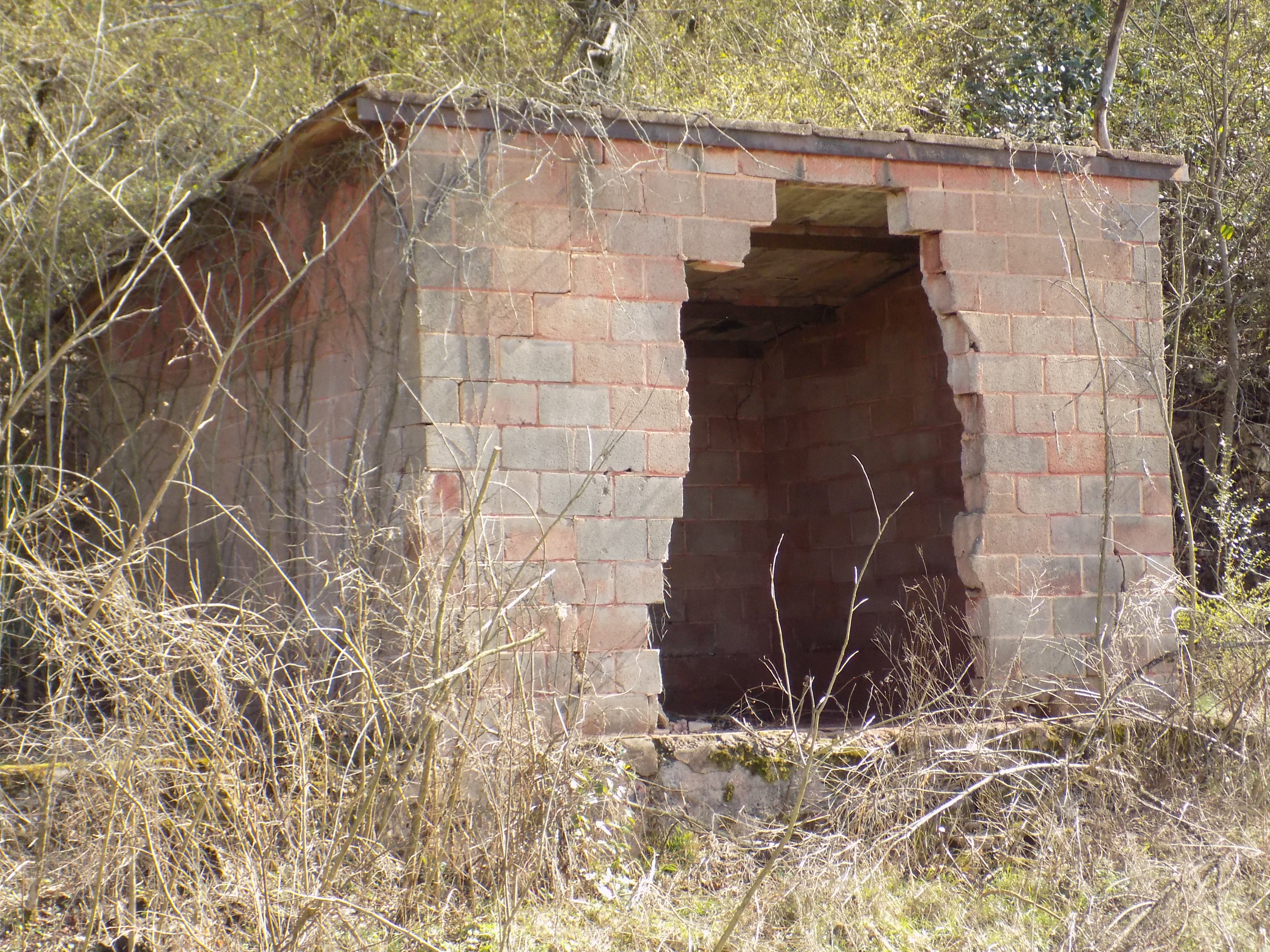 My Muscoda discovery, along the waning ridges of Red Mountain, was a delight since I had not seen it mentioned in guides to industrial sites in the Birmingham area. In Oxmoor Valley, along Shades Creek at the foot of Shades Mountain, is the site of the Confederate-era Oxmoor furnaces, the first in Jefferson County. Unlike the Muscoda mines, no structures remain at that site – only a historic marker and a cemetery down the road.
I will continue to miss my turn and check on those Muscoda structures now and again. Like the Alabama-born photographer William Christenberry in his beloved Hale County, I will keep track of the progress of decay. Someday, probably after I am gone, only vines and brambles and crumbling brick shards will remain to mark what was. 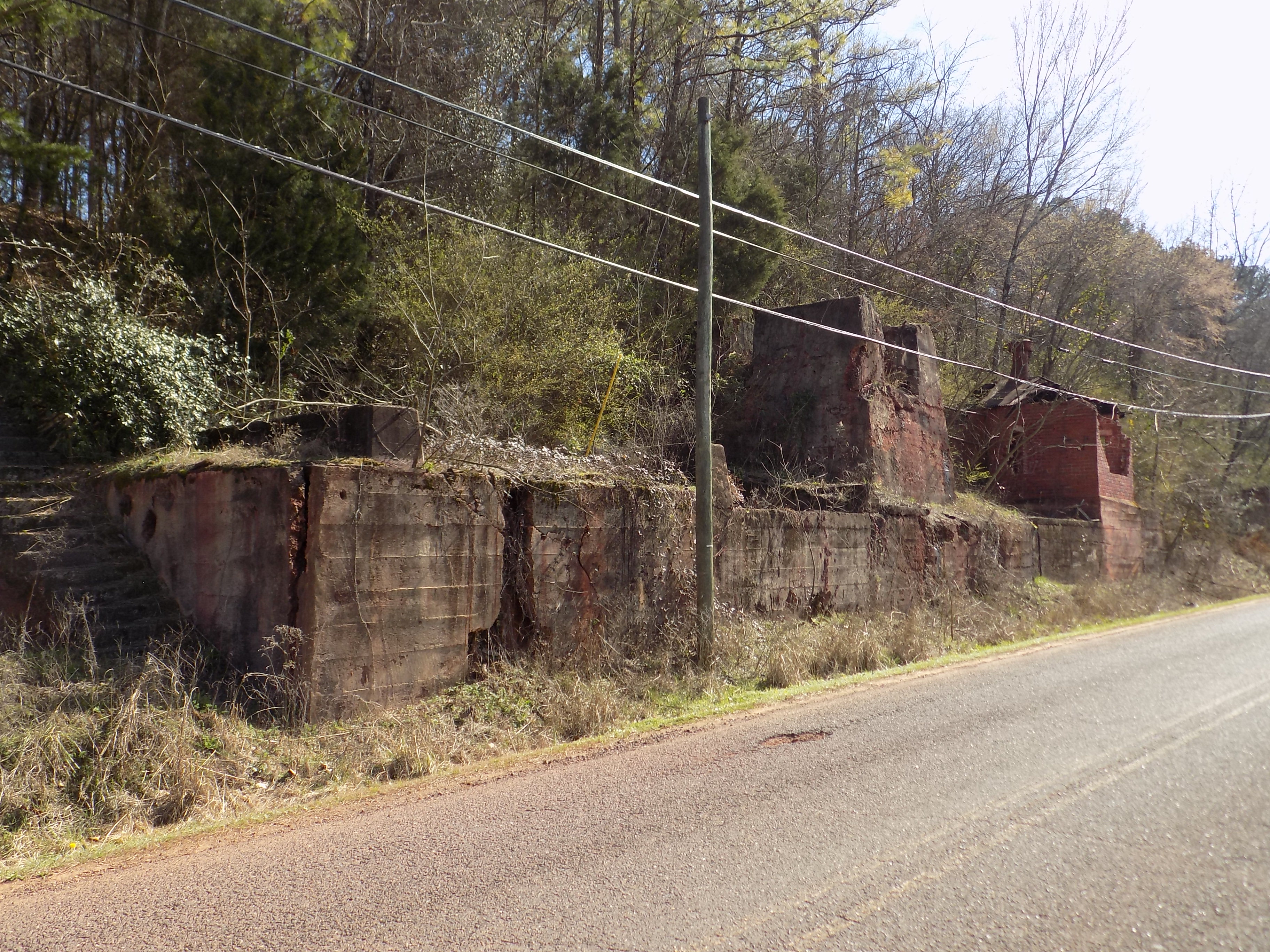
 Professional Southerner