 Lane Zirlott thinks he has the best oyster in Alabama. And I agree.
Lane Zirlott thinks he has the best oyster on the Gulf of Mexico. And I agree.
Lane Zirlott thinks he has the best oyster in the United States. And I’m inclined to agree on that, too (although I’ve not had them all).
Lane Zirlott thinks he might have the best oyster. Period. Full stop. And I’m not going to argue.
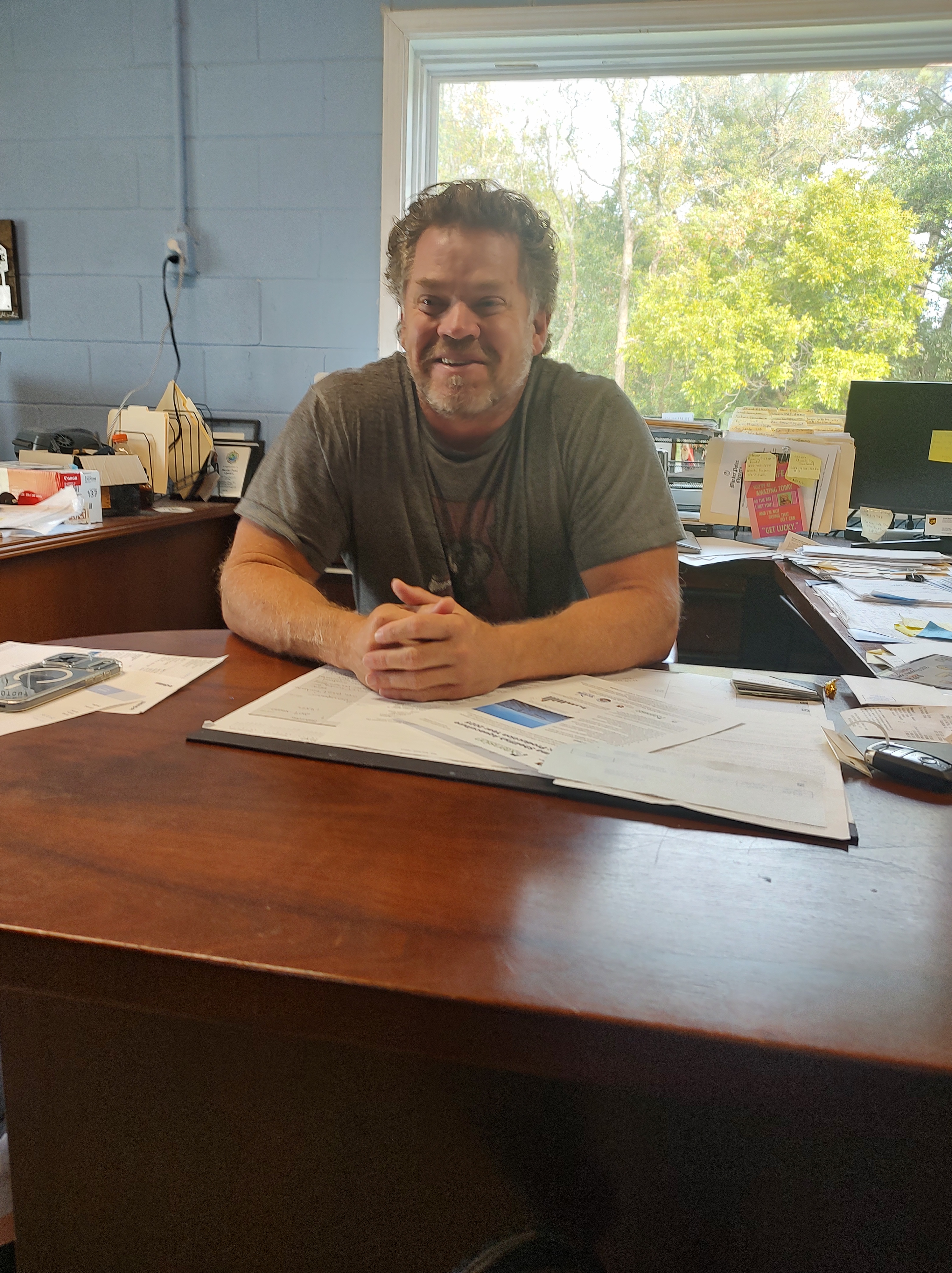
Lane Zirlott
Lane Zirlott thinks being on the water, being an oyster farmer, is his destiny. And after sitting in his office in his shop at Bayou La Batre for a while, listening to him tell the origin story of his family business, Murder Point Oysters, I think he is a man who could sell anything he believes in – especially if it comes from the saltwaters of Alabama’s Gulf coast. He talks about his love of working on the water, the adventure of “finding something you can’t see.”
______________________________
“Here We Rest” was Alabama’s first official state motto. It was adopted during Reconstruction so, of course, the people down in Montgomery decided to change it to something more combative during Jim Crow. Audemus jura nostra defendere is the state motto today – “We Dare Defend Our Rights” (both real and imagined rights, I’m afraid). I prefer “Here We Rest” and have an old habit of saying that phrase whenever I discover something to which I will instantly commit. The first time I tasted Murder Point oysters, I said, “Here We Rest.”
In fact, if I go to a restaurant and see Murder Points among the oyster offerings, I don’t need to look further. If Murder Points aren’t on the menu, I’ll pass. If I’m offered a plate with a variety of oysters, I will stick to the Murder Points, thank you. It’s the first oyster I don’t really want to add anything to. I might use a dab of mignonette and a sprinkle of lemon, but the buttery smooth one-bite oyster is fine just to slurp on its own.
Murder Points have a well-deserved national following now. They even ship them to Canada, which has previously been unheard of for an oyster from the Gulf of Mexico. The Zirlotts are a five-generation shrimping family and their oysters have only been on the market since 2012. When Auburn University’s Dauphin Island Sea Lab offered training to Alabama Gulf coast locals on off-bottom oyster farming, Lane Zirlott’s mother, Rosa, was the only person to attend the first session. She talked her husband, Blake, into taking the course with her. When Lane, who was shrimping full-time, returned from a shrimping trip, his parents encouraged him to explore the oyster aquaculture; the lure of still being on the water but being able to stay home with his wife and kids was all it took to make him a convert. An enthusiastic one.
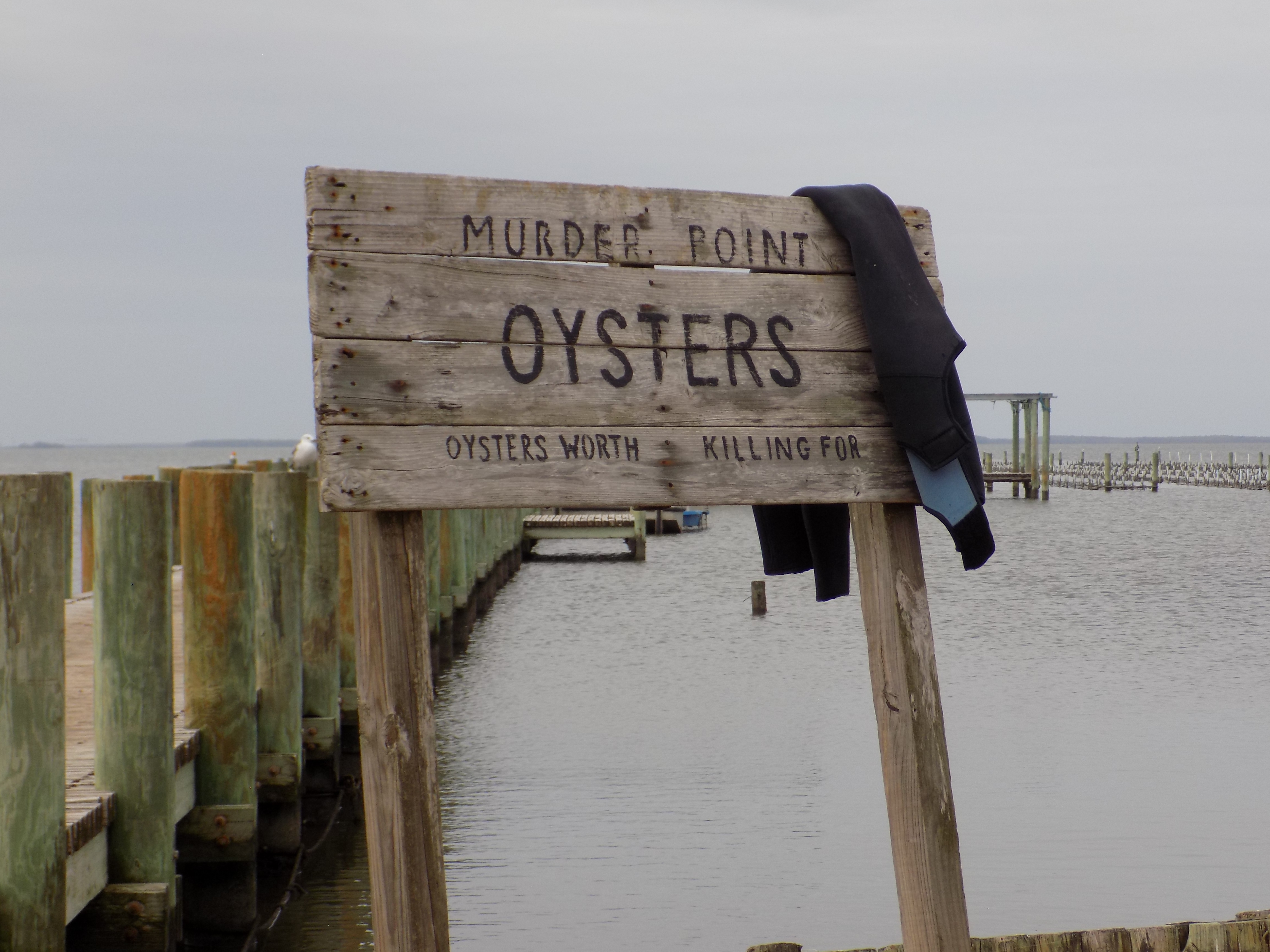
 There’s a well-known local tale about two oystermen a century ago in Alabama’s Myrtle Point who got into a dispute over oyster beds. The dispute accelerated until one of the men murdered the other on his front porch and “Myrtle Point” became popularly known as “Murder Point.” That inspired the Zirlotts to brand their product as “Murder Point Oysters,” with the catchy slogan, “Oysters Worth Killing For.” The oysters’ taste can sell itself, but I think the name and the slogan make it easier to remember and ask for by name.
Lane shares stories about the hustle to get his oysters in restaurants at the beginning, starting in New Orleans. It was a few years after Katrina, the event that changed the food scene in the city. He and his brother would go into the back door of the establishment with oysters and a shank. He said the back door of the restaurant would always be open – for deliveries, smoke breaks, fresh air. They’d give oysters to the kitchen staff – dishwashers, line cooks, sous chefs, pastry, cold station – until the chef would come to see what was going on. The staff would rave about the oysters, and the chef would taste, agree, and order them.
Lane has a scrappy smile and a twinkle in his eyes when he talks about the time in Charleston when the back door wasn’t open and he and his brother went through the front door and made their way to the bar during service. The manager chased them down and caused a scene, accusing them of being unprofessional, ordering them to get out. Lane slammed a bag of Murder Points down at the bar, yelled “Roll Tide” (“We’d just beat Clemson for the second year in a row”), and left. His brother had the presence of mind to slap a business card down with the bag before leaving. 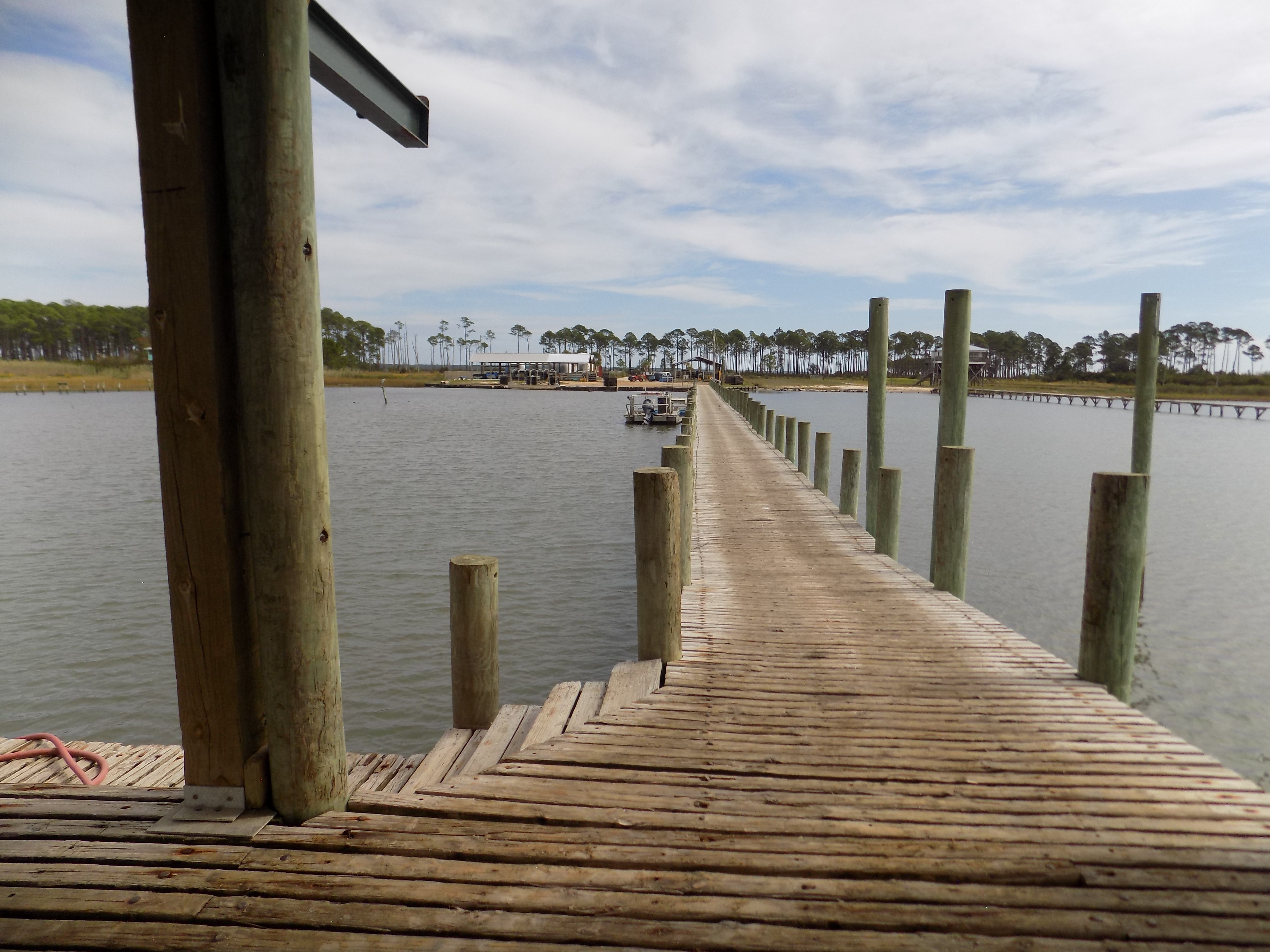
About a year later, at a food and wine event, the chef of that same restaurant sought Lane out and wanted to start ordering Murder Points. “We still talk about that Alabama redneck and his oysters,” the chef said. It was obvious that Lane tells this story often. And with pride.
Lane contends that the Murder Point oyster “changed the perception of a Southern oyster.” Lane often refers to Murder Points as “the oyster of Alabama,” stressing that by discussing “broodstock,” the mature oysters that are used for breeding. While other Alabama oyster growers use broodstock from other states, he says, Murder Point only uses Alabama oysters, including Alabama broodstock. “A true Alabama oyster,” he says, “has to be a Murder Point.” The aquaculture method Murder Point uses to cultivate its oysters forces the oyster to close by bringing it out of the water daily. It builds the bivalve’s muscle and helps develop the deep cup that makes the oyster so appealing to eat raw. Referring to outdated perceptions of what a Gulf oyster is, he says, “don’t let people define you because of where you’re from.” At the end of that course at the Sea Lab, Rosa Zirlott was given 20,000 oysters to farm. Lane told me, before he went back to work, that they have “fourteen million planted today.”
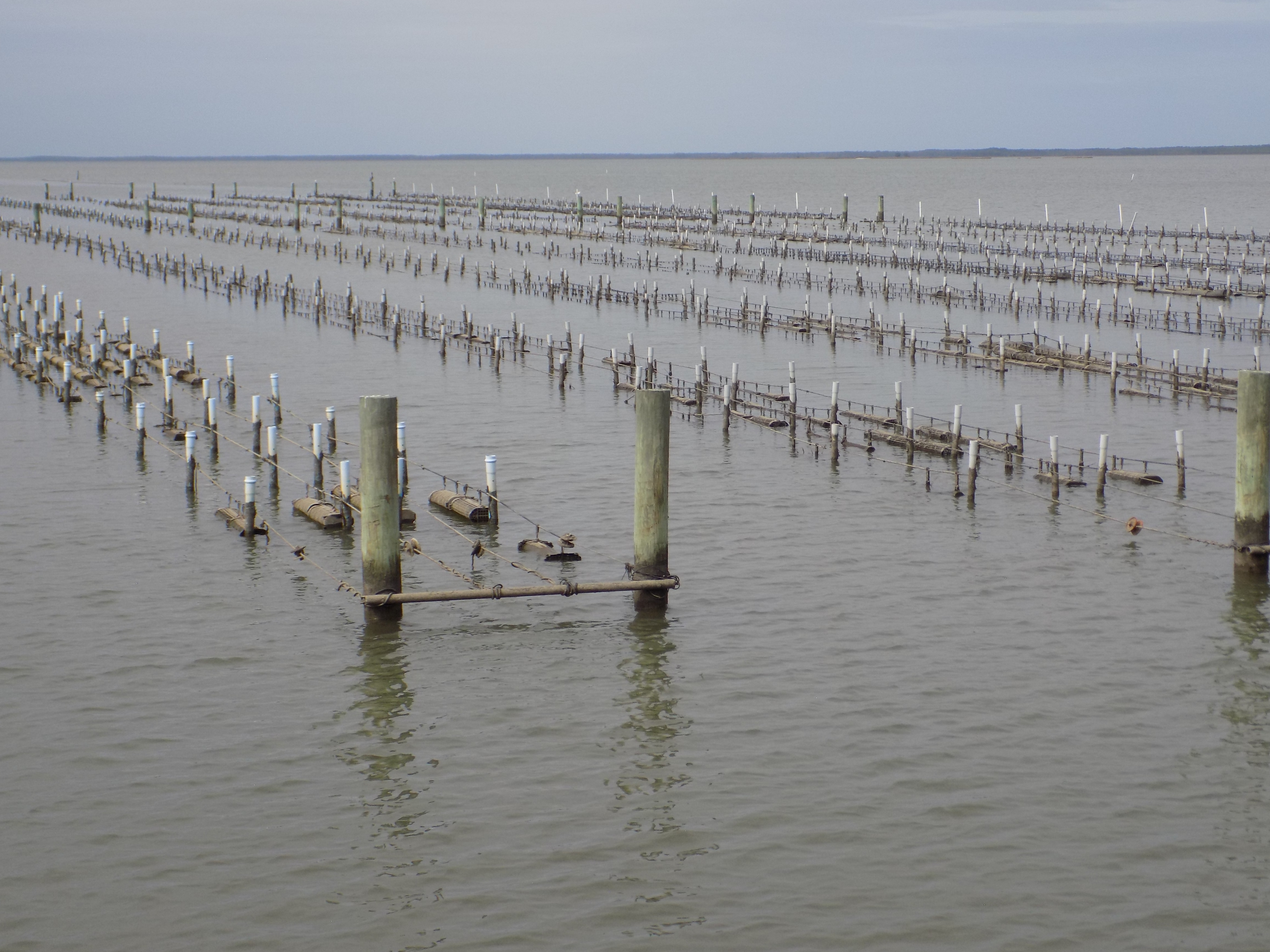
Lane went out to start shipping oysters and TJ Lundy, who left a career in education to work with Murder Point, drove me out to the farm at Sandy Bay, Murder Point’s merroir. Leaving the main road, we traveled down an arrow straight dirt road for seven miles through protected freshwater marshland. I learned that it was the combination of the fresh water of the wooded marshes mixing with the saltwater of the bay that was partly responsible for the creamy buttery aftertaste of the Murder Point oyster.
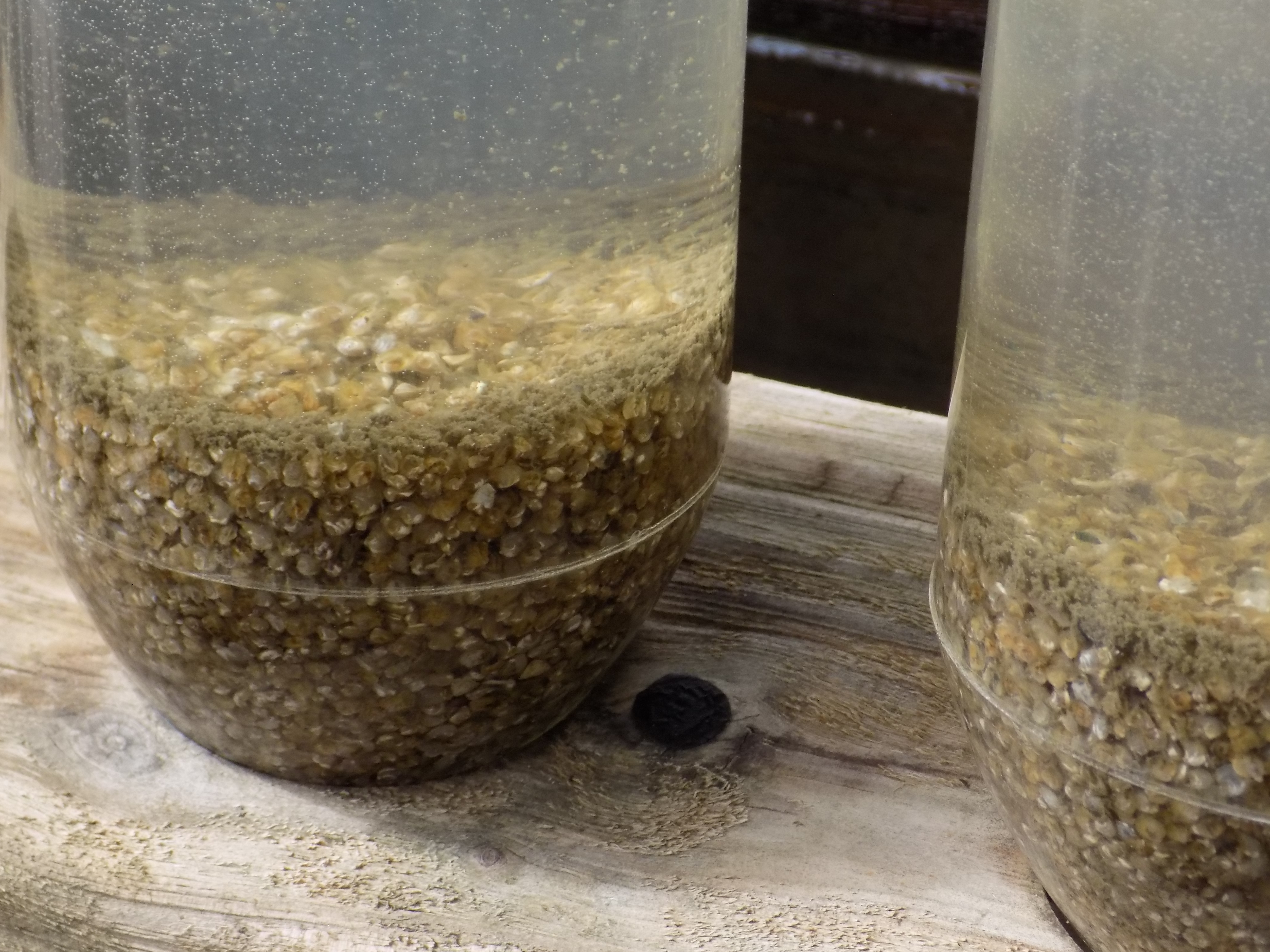
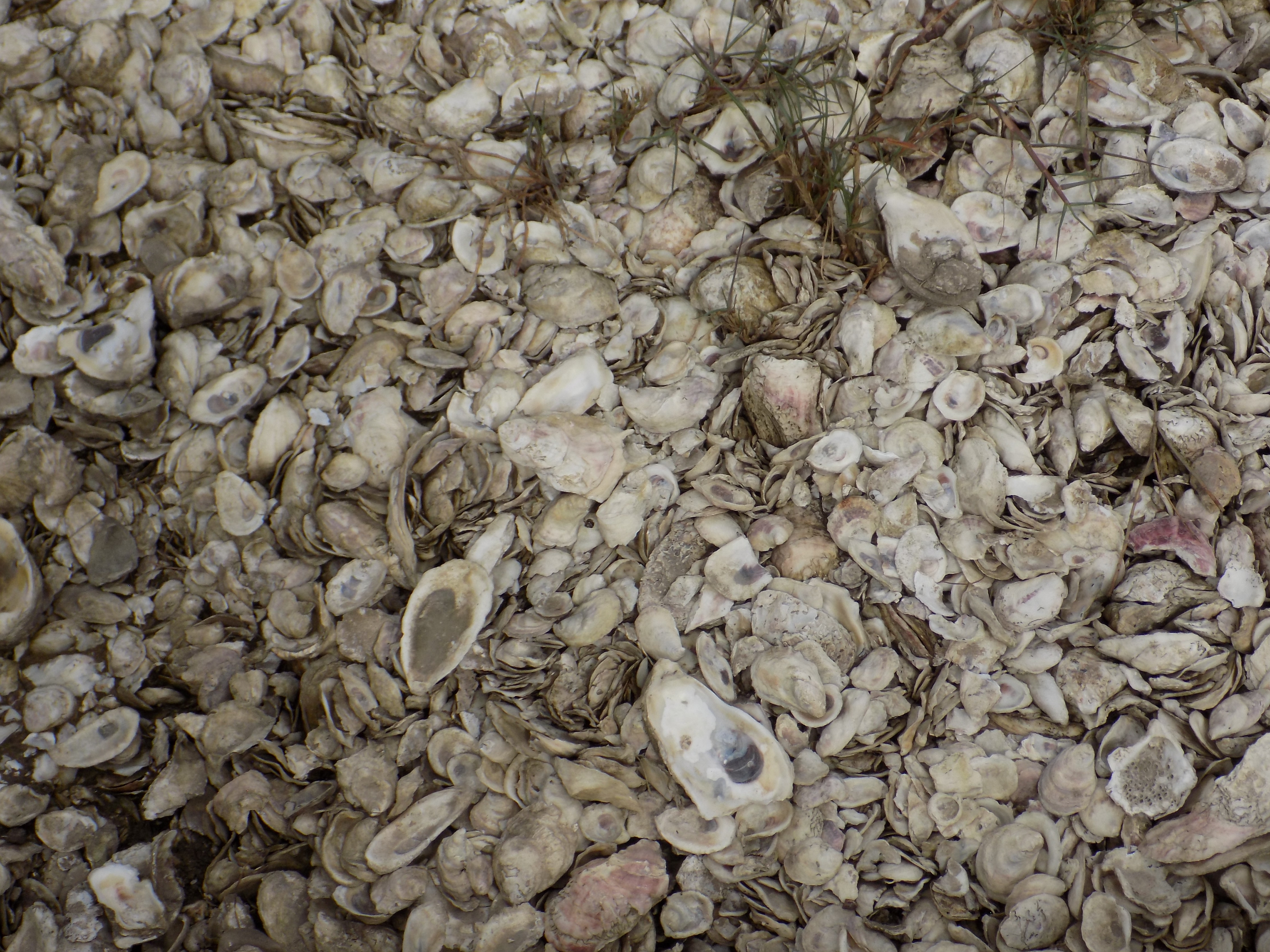
Each piece is an oyster.
TJ introduced me to marine biologist Eric Stewart, Murder Point’s director of operations and the manager of the hatchery, while we examined the sprawling operation right in front of me and out across the bay. Eric explained the process in the hatchery filled with baby oysters at various stages of being ready to take down to the bay. He showed me buckets filled with what looked like tiny pieces of briny gravel. He took up a handful and separated one out for inspection. It was miniscule, but it was already clearly an oyster. Next he showed me others that were slightly larger and still perfectly shaped. By the time you get Murder Points in a restaurant, they are typically 2.25 to 2.75 inches across. The careful control that the tide tumbling aquaculture provides gives these oysters their reliable consistency and taste. After learning more than I ever thought I’d know about oyster cultivation, TJ took me down to the water and the long pier that provided a view of the operation in the bay and the baskets full of growing oysters.
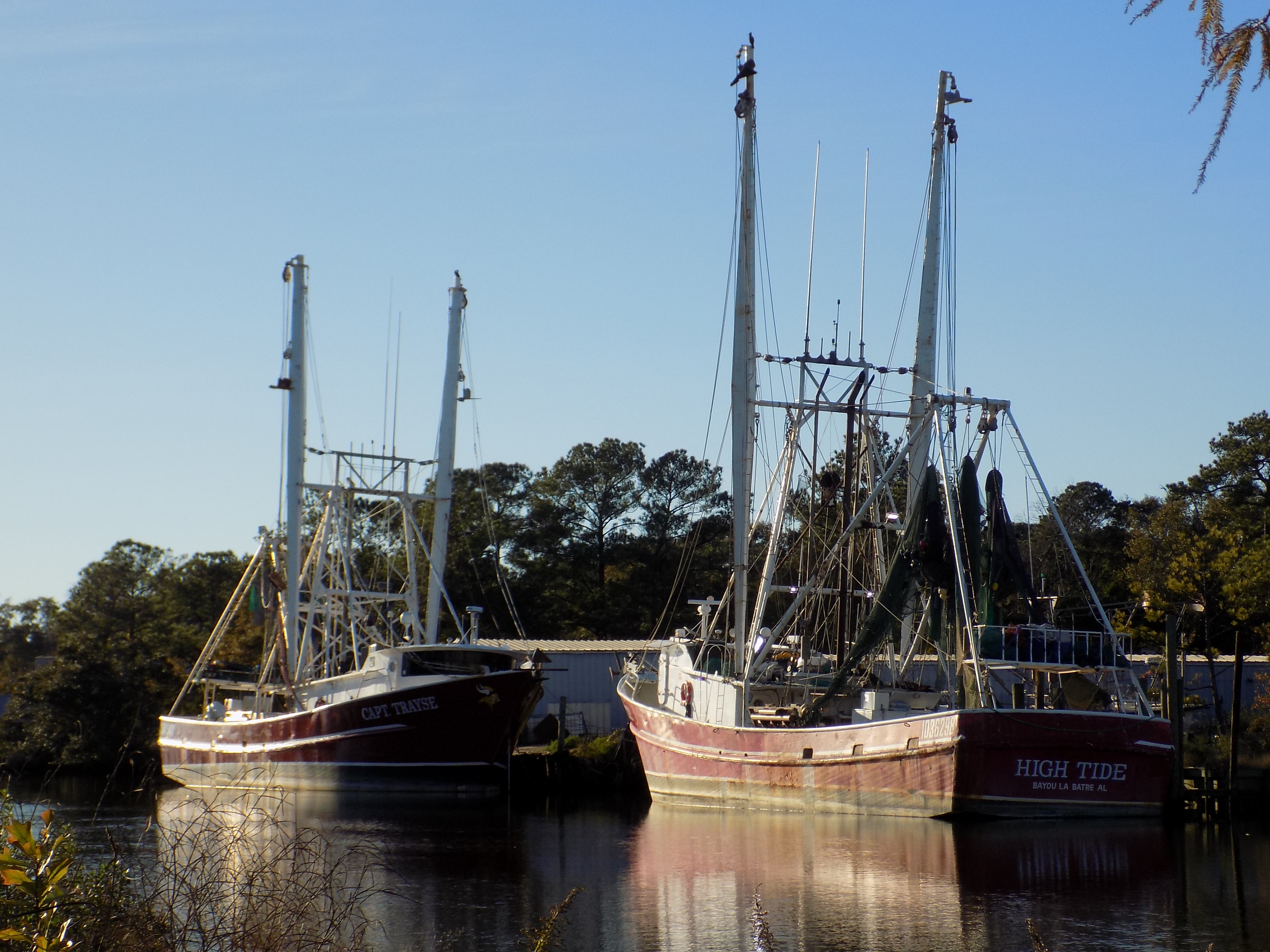
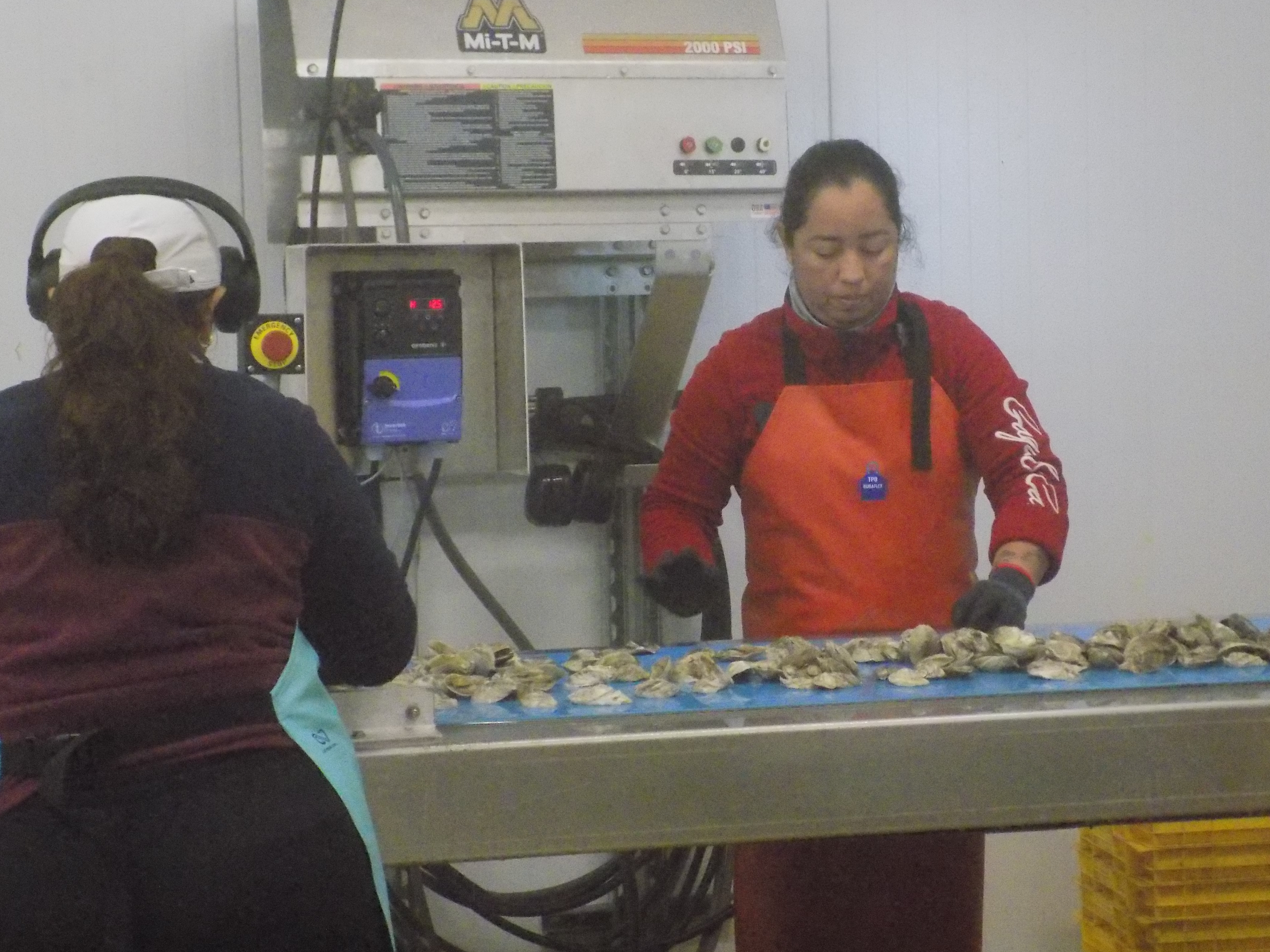 We left the bay and headed back through the marshlands to the Murder Point store. After my tour, I had plenty of questions for TJ. I commented on how intense and time-consuming the farming of oysters is and that I had no idea until that day. TJ agreed that the people at Murder Point worked hard, but added, “It’s a lot easier to work hard if you’re having fun, too.” We briefly went to the building out back where the staff, including Lane, were busy preparing and packing oysters for a new shipment to go out across North America. And then I headed back through the hardworking fishing village of Bayou La Batre on the way to Birmingham.
Later, on the interstate, I remembered that I didn’t do one thing I always hoped to do if I ever made it down to Murder Point: I didn’t get to eat an oyster straight out of the water in the place where it was born.
Not to worry, though. Next time.