
 Hesitant to leave the tranquil environment of the French Quarter Chateau in downtown Fairhope, it was time to move on to the next stop – the Grand Hotel, a few miles down the bay in Point Clear. But there were a few hours to fill prior to check-in and I started at the Warehouse, an eatery I wasn’t aware of until Allison’s enthusiastic recommendation. It’s a big room, crowded and friendly, with a big menu, serving breakfast all day and lunch. I ordered a memorable shrimp and grits, with Conecuh sausage added, that I wanted to reorder as soon as I finished my first serving. It became a new “must-go” on my already crowded list of essential Eastern Shore dining rooms (Warehouse Bakery & Donuts).

Warehouse, Fairhope
There was an urge to stay and sample more of the Warehouse menus, but I had promised myself a drive around Baldwin County before returning to the already familiar Grand. Silverhill is a small town a few miles out of Fairhope; I have enjoyed the short drive to Silverhill past pecan orchards and farmland in the past and pegged it as a good place to start. When I arrived at the main intersection in Silverhill, a woman was standing on a park bench doing what looked like modern interpretive dance. Perhaps it was modern dance – or maybe it was a very Westernized and dramatic version of tai chi. Whatever it was, it was a momentary distraction on a slow chilly morning and the woman looked content.
Moving past Silverhill, I realized that I have not been to the southernmost point of Baldwin County at the Gulf of Mexico in about fourteen years and headed south through towns I have passed through and occasionally stopped at throughout my life. Crossing into Gulf Shores, I headed east toward Gulf State Park and parked near the beach. The deserted beach was a pleasant place for a brief, bracing walk.
After a drive past the dunes, trails, and waterways of the park, it was time to head back toward Fairhope and Point Clear. The back roads took me to Bon Secour, Magnolia Springs, and Weeks Bay – places I have lingered before and will linger again. Along the way, I saw a couple of satsuma trees so loaded with the fruit that the branches were sagging to the ground. It was a good reminder that I had not yet stopped for a bag of satsumas at my regular place, Harrison Farms on Highway 98 (not to be confused with Harrison Fruit Farm in Chilton County – my peach source).
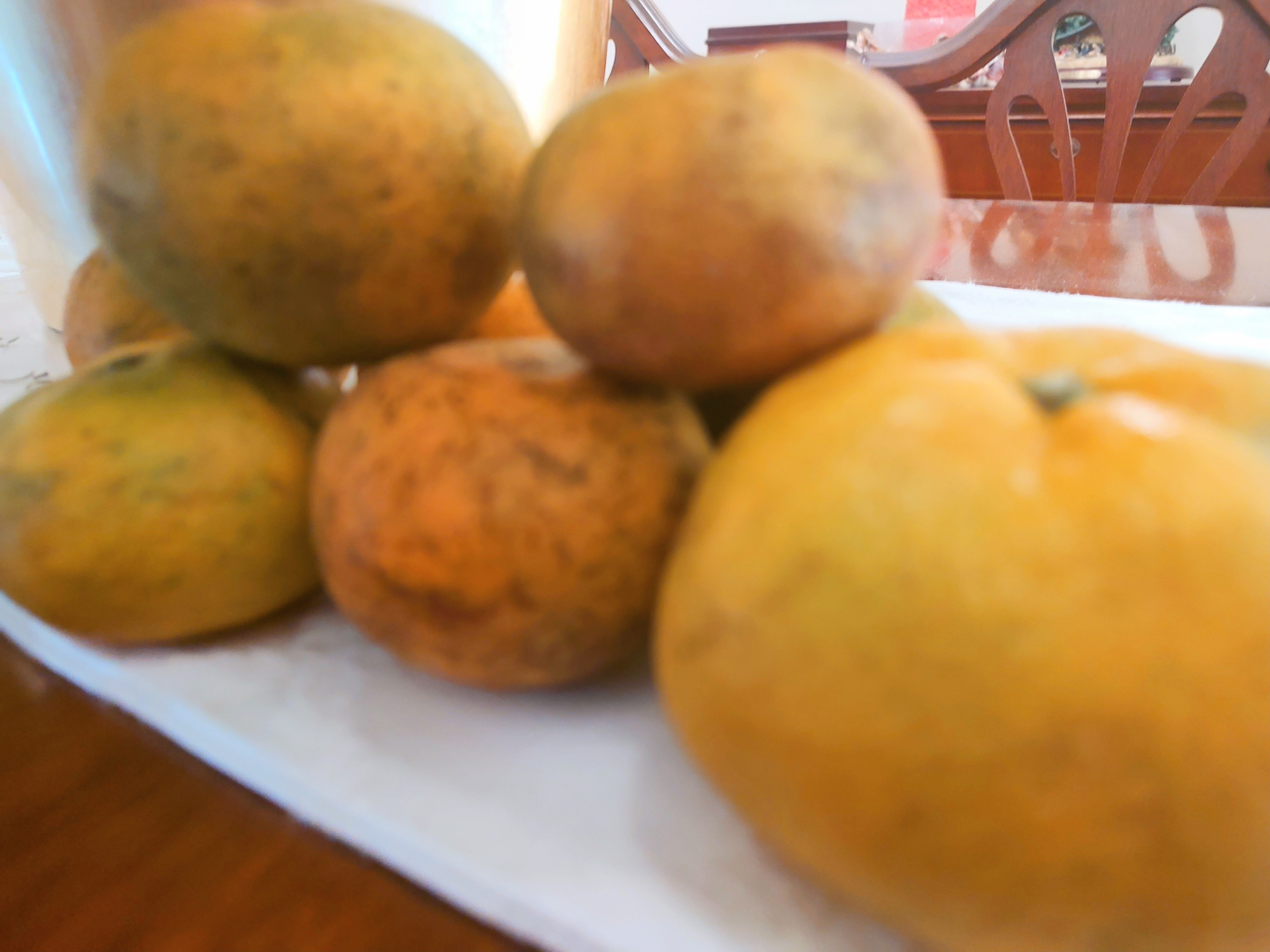 As usual, the Harrisons had the truck parked on the highway with the big SATSUMAS NOW! sign and bags of fruit lining the truck bed. It is on the honor system so I picked my sack of fruit, put money in the box, and went on my way. Because of unusually warm temperatures, the outside was greener than usual, but the fruit inside was as orange, juicy, and tasty as always. Down the road, a stop at B&B Pecan Company and then it was on to the Grand.
As I get older, I am more and more a creature of ritual and tradition. In my first days in Fairhope, I intentionally steered clear of Point Clear where the Grand Hotel Spa and Resort is located. I did not want to spoil the moment of arrival at the Grand’s gates. Finally, satsumas and pecans in tow, it was time to check in. Normally, when I make my December trip to the Grand, it is very quiet. On this arrival, the place was packed as people took in the Christmas decorations on the grounds, the gingerbread village in the lobby, and all the things the Grand has to offer for the holidays. My peace and quiet came when I got to my preferred room (I have been staying in the same room for years) and caught the last color of the recent sunset off to the west from my balcony.
I dressed for a dinner reservation at Southern Roots, the Grand’s more formal dining room. When I got there, there was a course of Murder Point oysters calling my name. My preferences from a year ago had been noted by the attentive manager, Susan Margaretha; this is one of many reasons that I must stay at the Grand every December. When I ordered the grouper dish, the server explained that the sauce had changed from when I had the dish a year ago and that she suspected I would like the change; she was right.
After a sumptuous meal at Southern Roots and a walk through the lagoon gardens back to my room, I sat for a while on the balcony, read for a while in the room, and went to sleep early. This Mobile Bay trip had been designated for pure rest and relaxation. My balconies got a workout.
The next morning was my annual morning massage at the Grand spa with Claudia. She and I tried to figure out how many years this December ritual – a morning warm stone massage with Claudia – has been going on. We settled on fifteen years, at least. I look forward to it all year.
I usually linger in the spa’s Quiet Room after the massage, but this year I had an inspiration. After my eager consumption of Murder Points over the past few years – and singing their praises to anyone who might listen – I should go to the source since it was only about an hour away. So, I scuttled my plan for a quiet day of reading at the Grand, ate the West Indies Salad I had taken out from Southern Roots the night before (perfect lunch after a massage), set the GPS for Murder Point Oysters in Bayou La Batre, and headed across the causeway toward Mobile. 
Over the years I have travelled through Bayou La Batre a couple of times; I have heard of it most of my life, mainly because of the annual Blessing of the Fleet every spring. As a traveler at the Grand reminded me, it was also the home of Bubba Gump Shrimp. When I reached the fishing village about an hour before sunset, the Murder Point Oysters shop was the target. Set just off the bayou, the store is full of oyster and seafood-themed products and you can buy oysters on the half-shell – even just a single one – for a fresh taste. Click this: Murder Point Oyster Company. Now, if that doesn’t inspire you to go out and eat a dozen oysters, I guess you’re not an oyster lover (not that there’s anything wrong with that).
I had hoped to go in search of those oyster beds. Whenever I am dining out at a seafood place, I request Murder Points. It is not just that they are an Alabama family-grown product, but they are quite simply the best-tasting oysters I have ever had – buttery and clean, with a nice pop of salt at the end. But it was getting late in the Bayou and time to head back to Point Clear. The oyster beds will still be there next time.
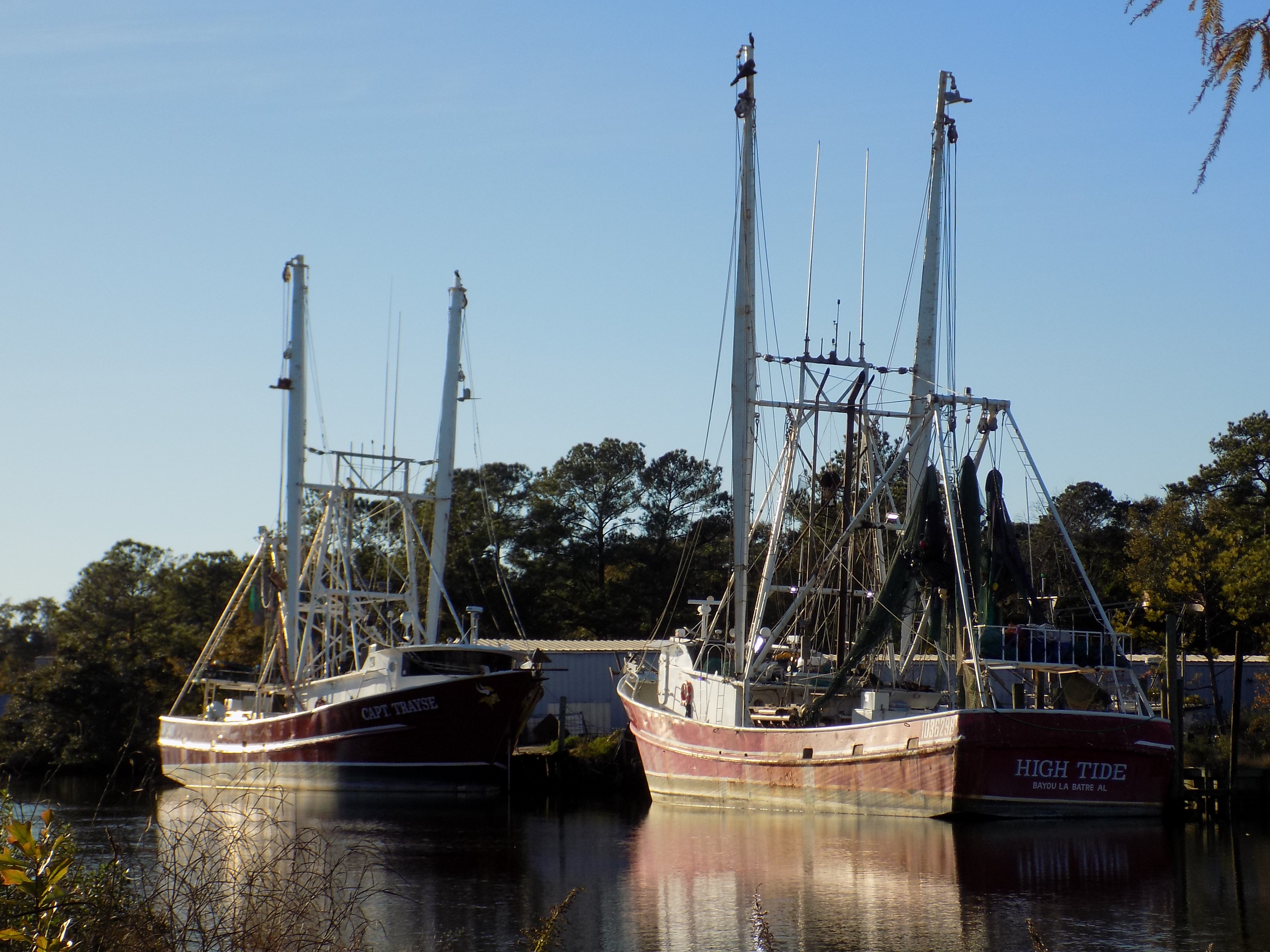
Bayou La Batre
Back at Point Clear and a mile down the road from the Grand, the Wash House has been a special place for a great dinner since I began this annual pilgrimage. I usually save it for the final night of the trip and have had memorable Wash House meals with friends many times over the years. There were no Murder Point oysters, but a silky she-crab soup was a delicious starter to a final dinner of this edition of my December respite.
Early enough the next morning – after a good sleep and coffee on the balcony, watching groundskeepers at the lagoon, guests heading over for breakfast, and children feeding ducks made it hard to leave. But leave I did, with festive thoughts of another restful getaway to the coast and ready to brave the busy highway north.
A refreshing trip to Mobile Bay. I highly recommend it – even, and maybe especially — in December. 


 Professional Southerner