Category Archives: Alabama gardening

Notes under the August Sky

I learned something this week that I never imagined before. What is referred to as “ground clutter” in weather radar is often, this time of year, showing migrating birds at night. I wasn’t sure I heard correctly so I looked it up. I found several reports from all over that attributed the radar images to millions of migrating birds flying toward the Gulf of Mexico in the dark of night. In fact, I learned that the other ground clutter can be filtered out to give an accurate view of the birds. A few nights ago, the night sky was filled. Further research found evidence of mass early-season avian immigration throughout the eastern United States. For me, it was one of those who knew? moments.
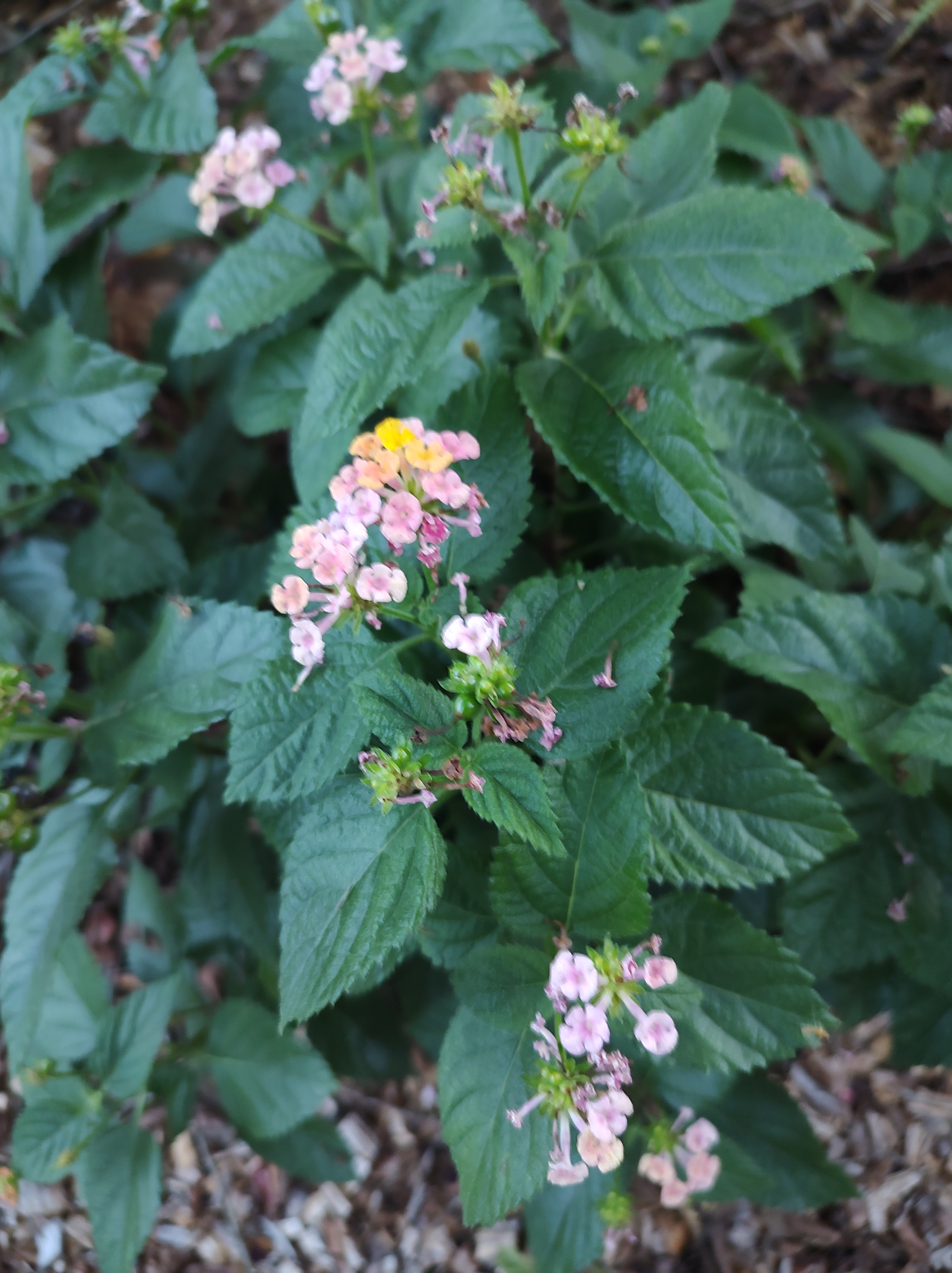
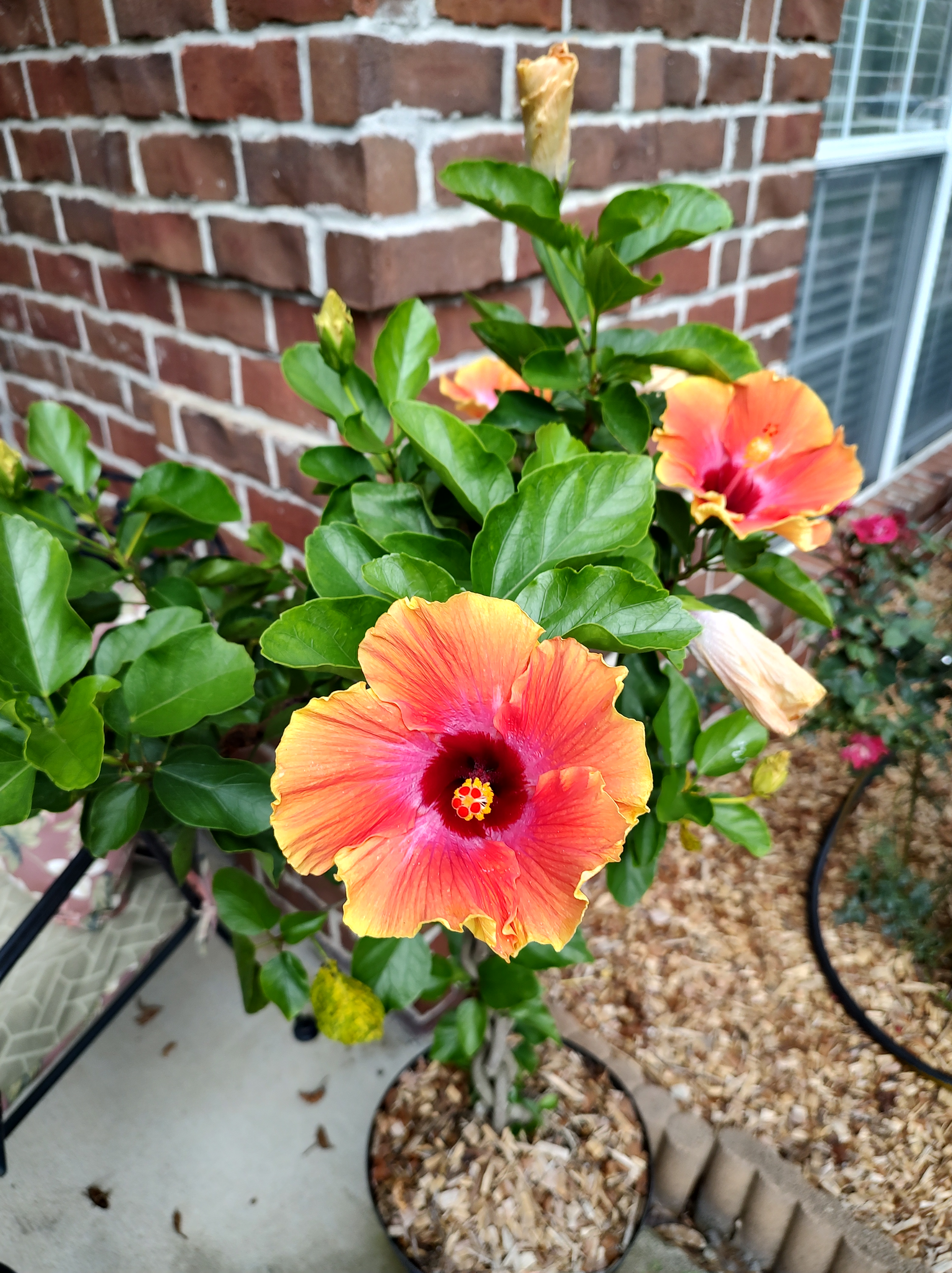
No matter how I try, the Spring plantings that I took such pride in “look like August” after the harsh heat of July and August. Plants that once bloomed prolifically look a little spare, the petunias (which I never really cared for to begin with) are faded and leggy. Even the Peggy Martin “Katrina” rose looked like it might die a few days ago; it’s springing fresh leaves again and might still manage a fall bloom. The lantana soldiers on but didn’t flower quite as much in the hottest heat; that’s okay, since I like the citrusy fragrance of lantana leaves even more than the flowers. I still have a hard time believing that lantana is an invasive species elsewhere. The hibiscus, a slow starter, seems to flourish in the heat.

The three pottings on the front porch don’t miss a beat unless I miss a watering. The sweet potato vines are swallowing that corner. I planned to prune it back but my mom likes it “as is” so I leave it alone. The volunteer caladium in one of those pots enhances the sweet potato vine and begonia sharing space. I used to explain that it was a happy accident but now I just smile and thank passersby for the compliment. I probably couldn’t repeat that accidental planting next year if I tried.

After much pruning, weeding, and sweet talk, the ageless wild rose in the backyard, taken from a cutting of my grandfather’s “mother” plant years ago, looked grim but  pushed out a couple of blooms recently and looks like it might live to bloom another year. Another cutting from that mother plant flourished in the backyard of my house in north Alabama. When I sold the house to move back to Birmingham, I left a note for the incoming residents explaining the long history of that rose in hopes that they would keep it there and alive, but I doubt they did.

We’re going through a faux fall for a few days here. The temperatures are unseasonably moderate and humidity is down. These portents of fall are a break from brutal heat, but I’m already regretting the shorter days.

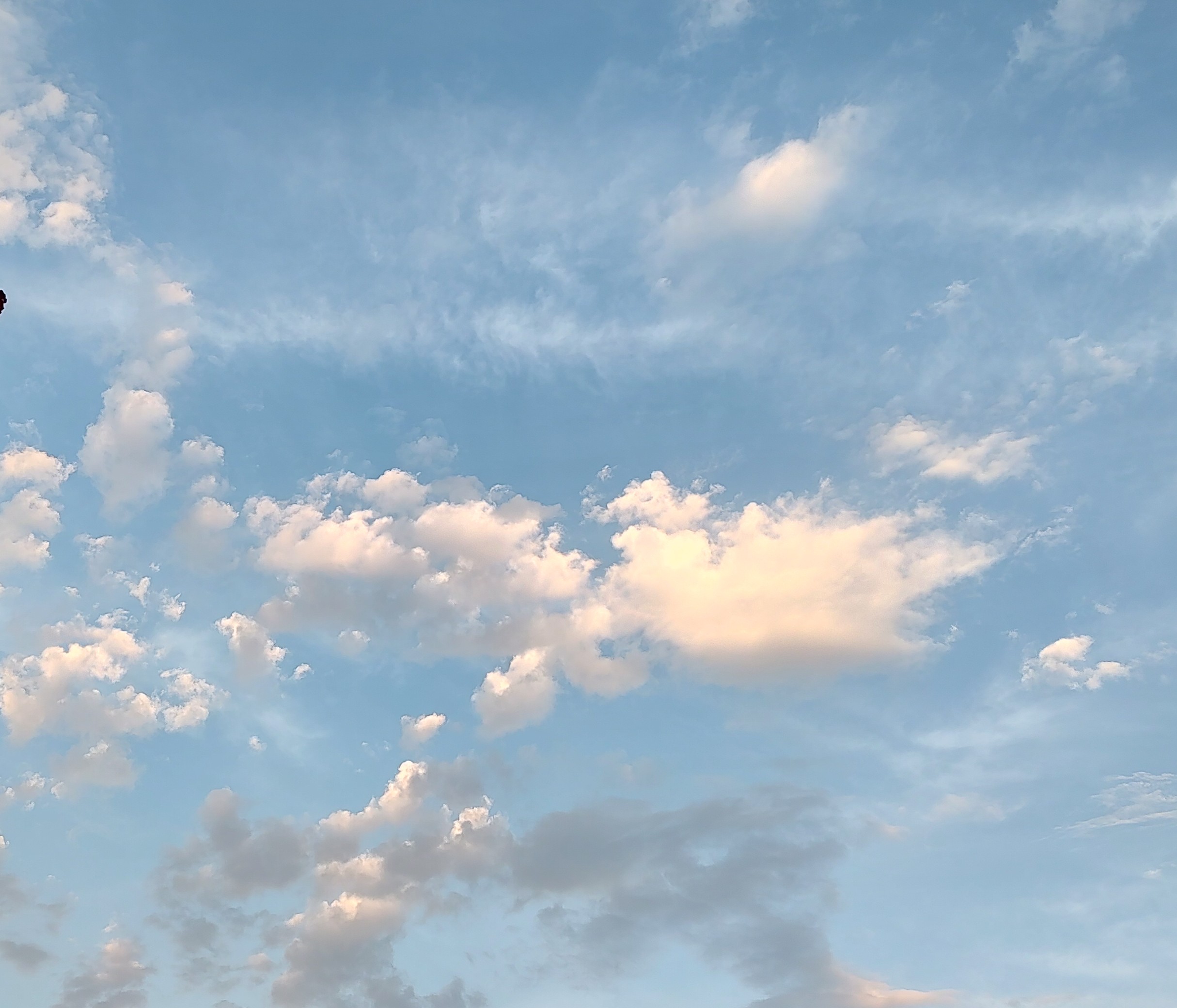
The quality of the “light in August” into September has long fascinated me. I don’t remember which came first – my notice of the August sunlight or my reading of the Faulkner novel that gave it a name. It’s a clear sky, often adorned by what I call “biblical clouds” – the fluffy pure white piles of cloud sitting majestically in the vivid sky. I started calling them “biblical clouds” because they remind me of the skies in the illustrations of Renaissance paintings that always seemed to be in those large family Bibles that were once sold door-to-door. The light, the shadows, the breeze all work together to create an otherworldly feel. It’s not there all the time, but when it happens, it stops me in my tracks and often creates magnificent sunsets.

Remember in elementary school when we would stick balls of cotton on a skyscape to represent clouds? Looking at these clouds, I’ve figured out why I never got my desired effect — why it just looked like a cotton ball plopped down on a piece of paper. Now, if I were back in elementary school, I think I’d  shred the cotton ball a little and carefully spread it across the sky …  Yeah, that would work.

Today’s Sunset from Shades Mountain
Falling Leaves

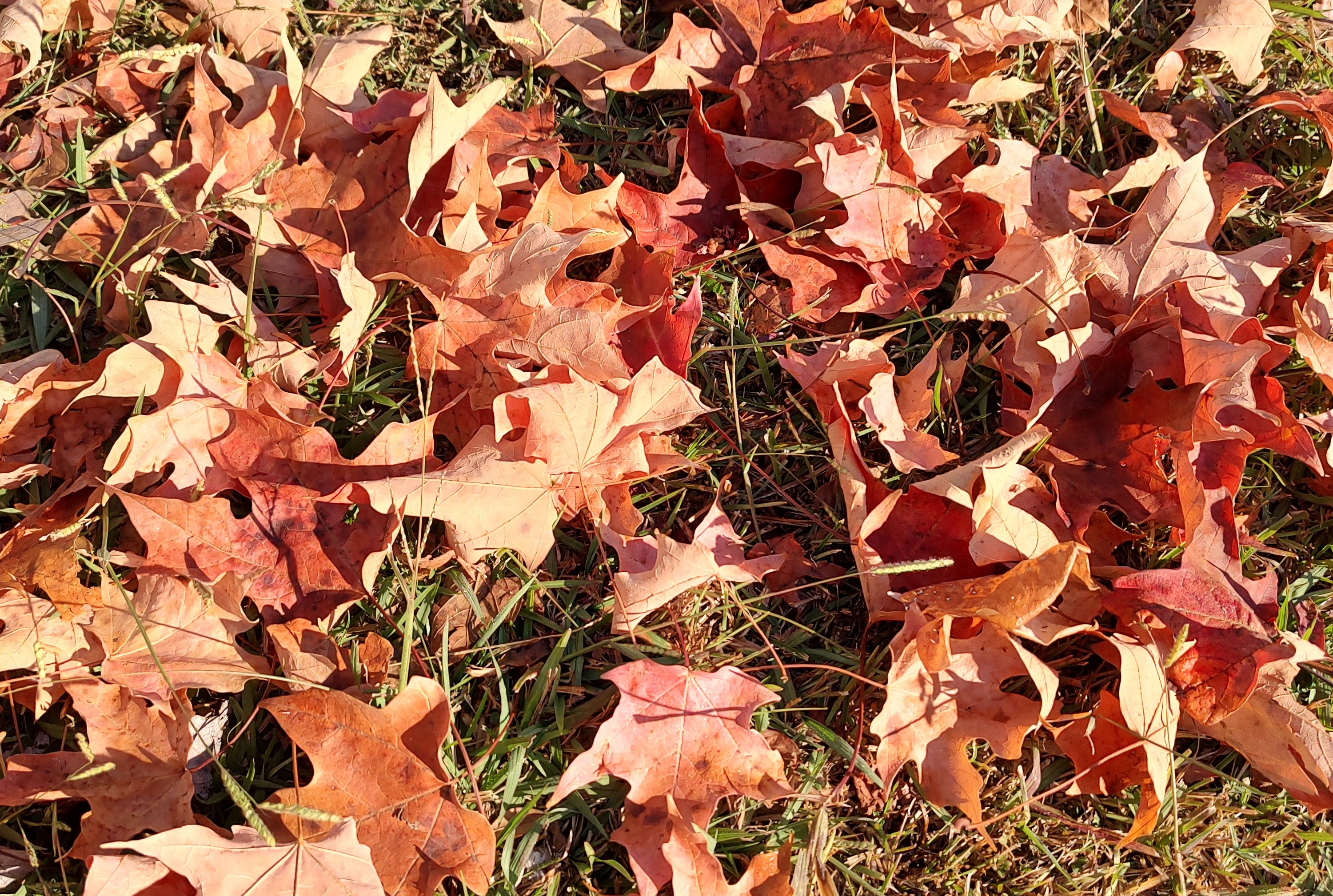
For the first time in my memory, my mom has decided she likes fall leaves on the ground. On her afternoon walks up the neighborhood streets, she has been admiring the beauty of the leaves on the ground – and even says she hopes the neighbors don’t rush to rake or blow them away.

This is noteworthy because I remember a childhood of being told how messy the leaves looked and having to rake them repeatedly throughout the fall. It was frustrating to rake all Saturday afternoon with leaves still falling all around me. Even then, I would stress the virtues of letting the leaves decay where they lay; only years later did I learn that I was right.

Those afternoons were made sweeter if I had a radio nearby broadcasting John Forney and Doug Layton announcing another Alabama football victory with Coach Paul “Bear” Bryant at the helm.

Mother is particularly taken with a young maple in the front yard across the street. Its bronzy saffron leaves almost covered the yard and a brisk breeze would send them dancing into the street and neighboring yards. Its foliage turned color from the top down and now there is a thin layer of colorful leaves at the bottom, crowned by the bare limbs.

Early this morning, the neighbor’s yard maintenance guy arrived. Within a half hour, the maple leaves on the ground were gone. An hour after he left, a healthy amount of the striking leaves was already drifting down, covering the grass again.

Unless you go the short distance from Shades Mountain into the higher mountains, this area is not known for a brilliant fall display. The fall color is even more subdued and muted this year, with a significant drought building since September. As much as I despise cold weather, however, there is an undeniable energy in the air when the weather begins to change and the fleeting beauty of Nature takes hold for a few weeks before the holiday season fully kicks in.

As the sun sets and more leaves fall, trees become more visible down the hill, creating a brief and peaceful display down the mountain toward the creek.

This year, most of the warm weather plants were damaged in a short-lived freeze. Some plants weathered it and others gave up. They have been replaced by pansies, which my mom loves (although I prefer violas for cool weather blooms). More pansies will be added over time, complemented with violas probably, as more of the remaining plants fade away.

A bag of bulbs arrived recently and are now in the ground; I planted them but will be surprised when they start popping up in late winter. Years ago, at my house in another town, I randomly planted ninety crocuses in the front yard one November. I planted them so I knew they were there. Even so, I was always startled when the first bud appeared in early February.

Pre-planned serendipity.

“Oh, for a bee’s experience …

Of clover and of noon!” – “The Bee” by Emily Dickinson

Trying to savor the summer while having some restraints on my activities, I have been thinking a lot about the bees. I have been watching them a lot, keeping in mind alarms about declining bee populations. Specifically, I have been staying at my mother’s house full-time, so I shifted focus from attracting bees to my own small yard in Rocky Ridge to observing the activity around her garden home community on the steep west slope of Shades Mountain.

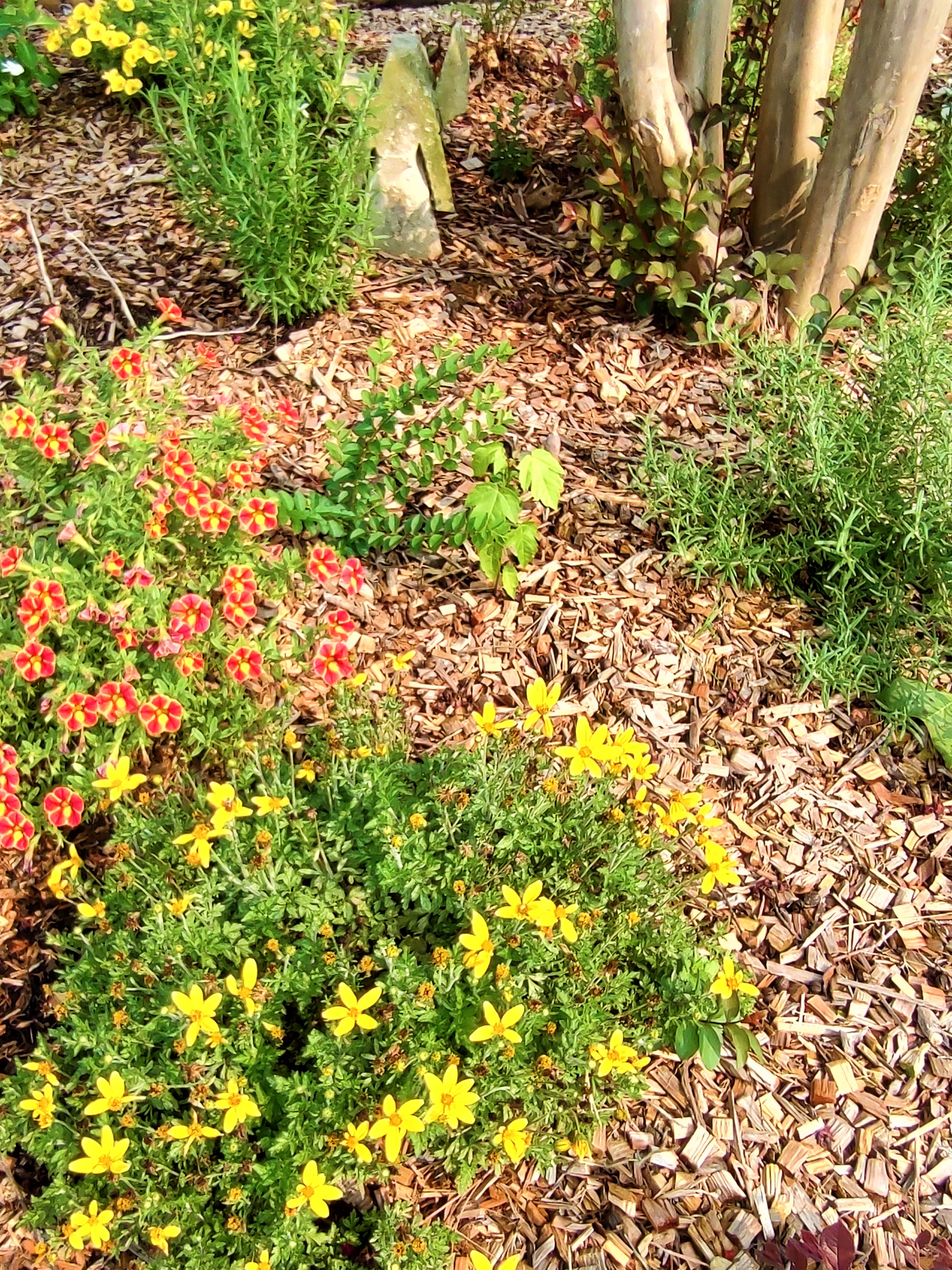
A late freeze brought the demise of a large loropetalum shrub encircling a tall crape myrtle in Mother’s front yard. When the loropetalum was removed, we decided to plant a variety of blooming and leafy plants in its stead. It turned out to be a good move – with compact bidens, calibrachia, rosemary, vinca, and Japanese painted ferns putting on a frisky, flourishing show beneath the deep crimson blooms of the crape myrtle. I keep a careful watch over the volunteers – some are welcome; others will take over if left alone.

On the porch, a yellow begonia holds court in a hanging container, with lysimachia flowing toward the ground. The large blooms of a braided mandevilla in a unique coral and golden hue are a favorite of my mom’s, but the blooms drop after one day, leaving the plant leafy without flowers on occasion. It shields an always trustworthy heuchera which was joined this year by a lacy volunteer that was just too charming to eliminate. The lacy foliage will wither away in late-fall, but the heuchera, if it acts according to habit, will still be flourishing next year.

As you come into the entry space, a ruellia – commonly called a “wild petunia” and known for an invasive nature – stands confined in a container, grounded by impatiens and lysimachia. Its delicate morning blooms fall off daily, to be replaced by new blooms the next morning. The roses in a bed next to the house have seen better days, but they are hanging in there. Bees, butterflies, and the occasional hummingbird show up and regular rainfall and diligent watering are keeping everything happy so far in the stifling July heat.

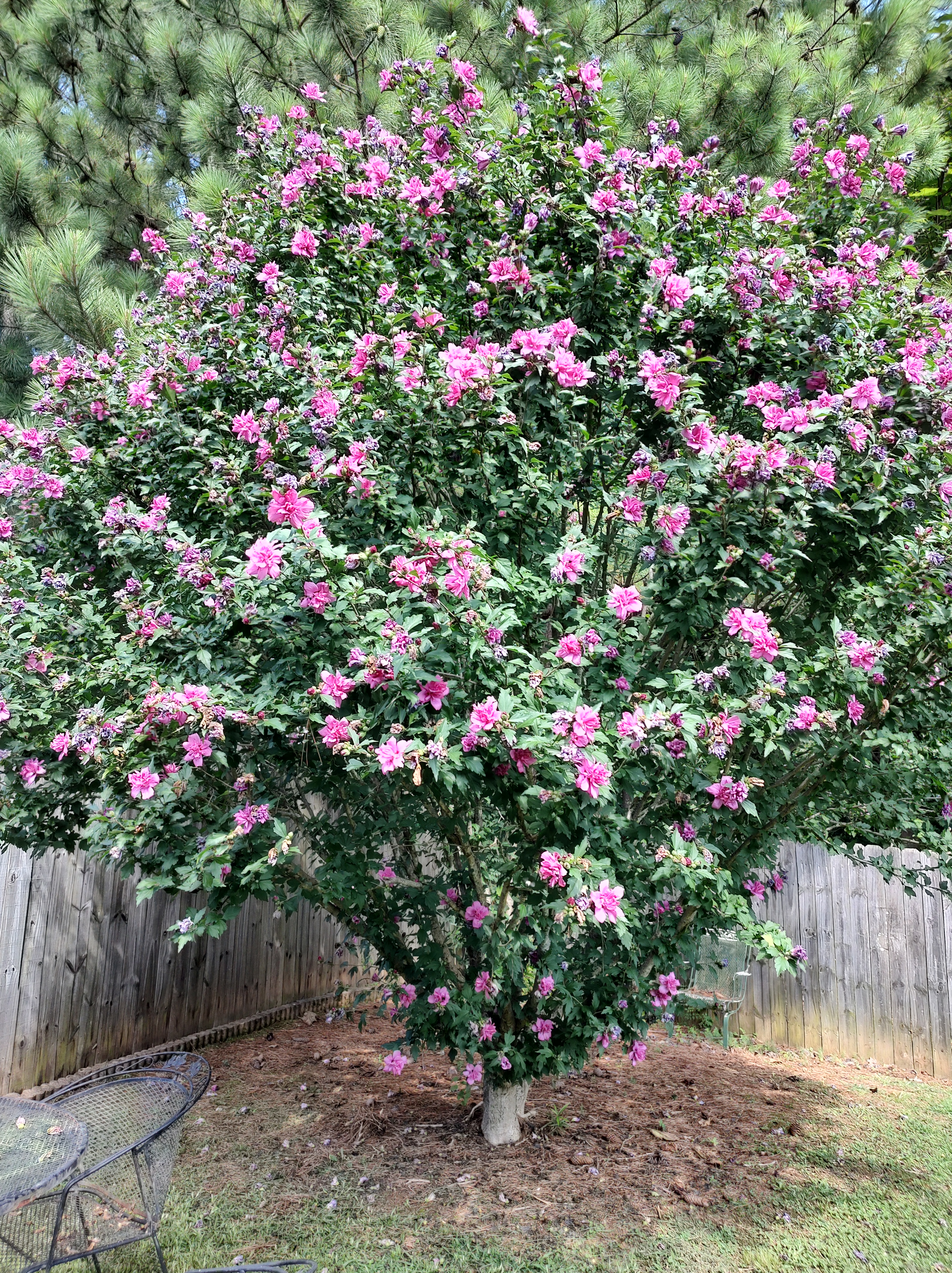
But here’s the kicker: There’s a Rose of Sharon in my parent’s backyard that grew from a sprout and is probably in excess of twelve feet now. It’s covered with fuchsia blooms and – at any given time – hundreds of bees. I know Rose of Sharon is a common name used for a number of plants – this one is a hibiscus – but I like the tradition and antiquity of the appellation and plan to use it until the plant police come knocking. Bees have always loved this specimen, but this year seems to be a banner year for its bee population from early morning to sunset. There is a constant low buzz from the tree when we wander into the yard.

Slightly to the side of the Rose of Sharon is a raised bed my dad created. I haven’t had a chance to properly tend to it this year, but it is lush and beautiful in its wildness anyway. Purple heart and yellow lantana grow in a bed with four less-than-stellar rose bushes. The in-ground Easter lilies bloomed late and those plants have taken their time fading away. Like many other plants, the odd weather seems to have confused them; one healthy looking lily has developed three new bulbs (in the middle of July!) but I do not expect them to bloom.

It hasn’t been a great few years for the roses of any kind and my grandfather’s ancient rose bushes, grown from cuttings of the mother plant, have struggled to flower. The hummingbird feeders do not seem as busy as usual, but an occasional hummer is spotted at the feeders and among the bees in the Rose of Sharon. It’s a challenge to keep the bird feeders stocked; it’s a bigger challenge to keep the squirrels away, but Lulu, the prancing chihuahua, likes nothing better than to chase the squirrels. Mourning doves are the primary customers at the feeders, but a pair of cardinals are frequent visitors since late-winter, as are an occasional bluebird and blue jay and a red-headed woodpecker. Wrens and chickadees are also in evidence, I think, but I hesitate to say much since a reader pointed out recently that I don’t seem to know the difference. I pay my annual due diligence to the Audubon Society and the Arbor Day Foundation but I’m not always good at the identification part of the test.

These are the things that inhabit my alternate garden in summer 2023.