
 I learned something this week that I never imagined before. What is referred to as “ground clutter” in weather radar is often, this time of year, showing migrating birds at night. I wasn’t sure I heard correctly so I looked it up. I found several reports from all over that attributed the radar images to millions of migrating birds flying toward the Gulf of Mexico in the dark of night. In fact, I learned that the other ground clutter can be filtered out to give an accurate view of the birds. A few nights ago, the night sky was filled. Further research found evidence of mass early-season avian immigration throughout the eastern United States. For me, it was one of those who knew? moments.
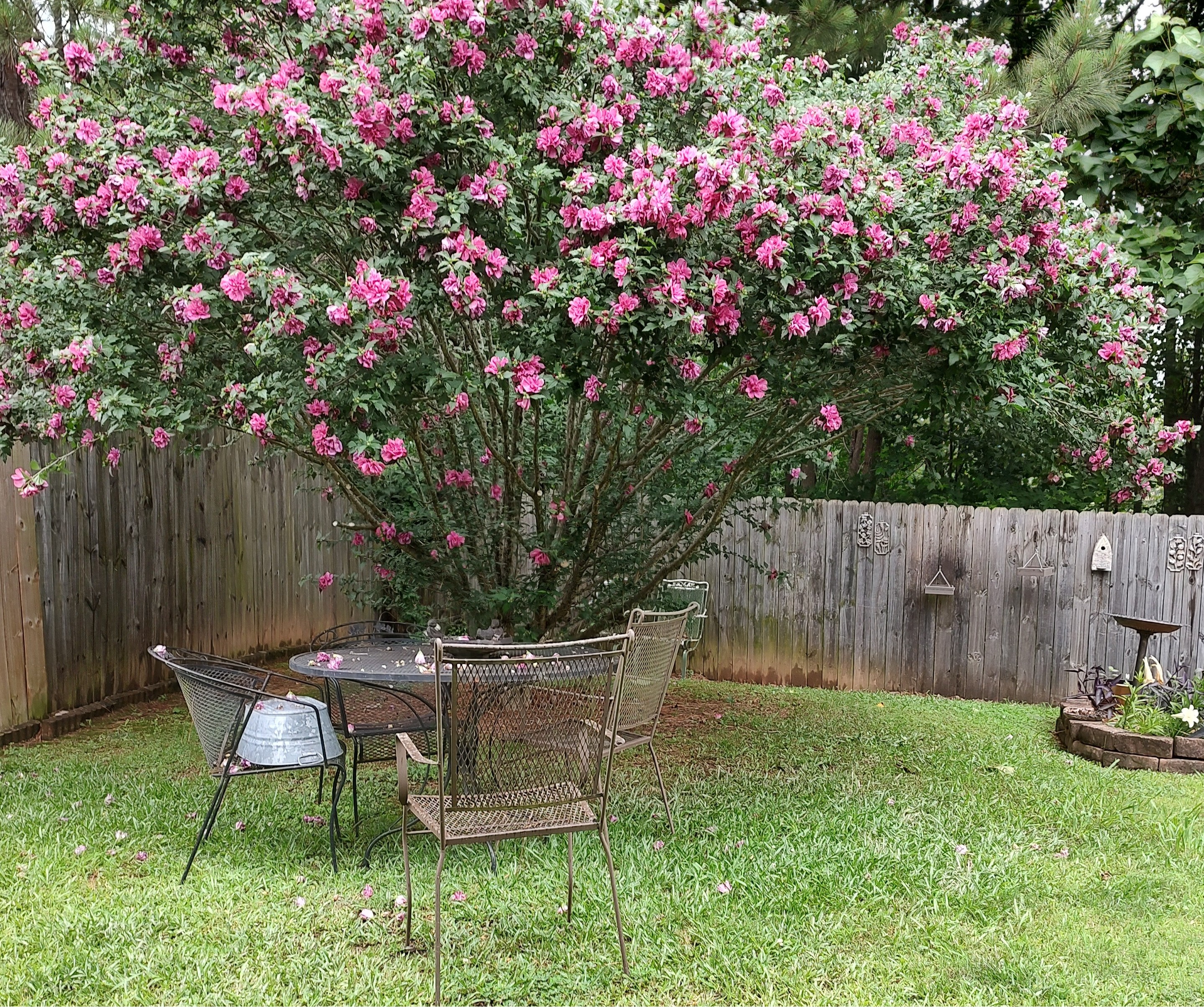
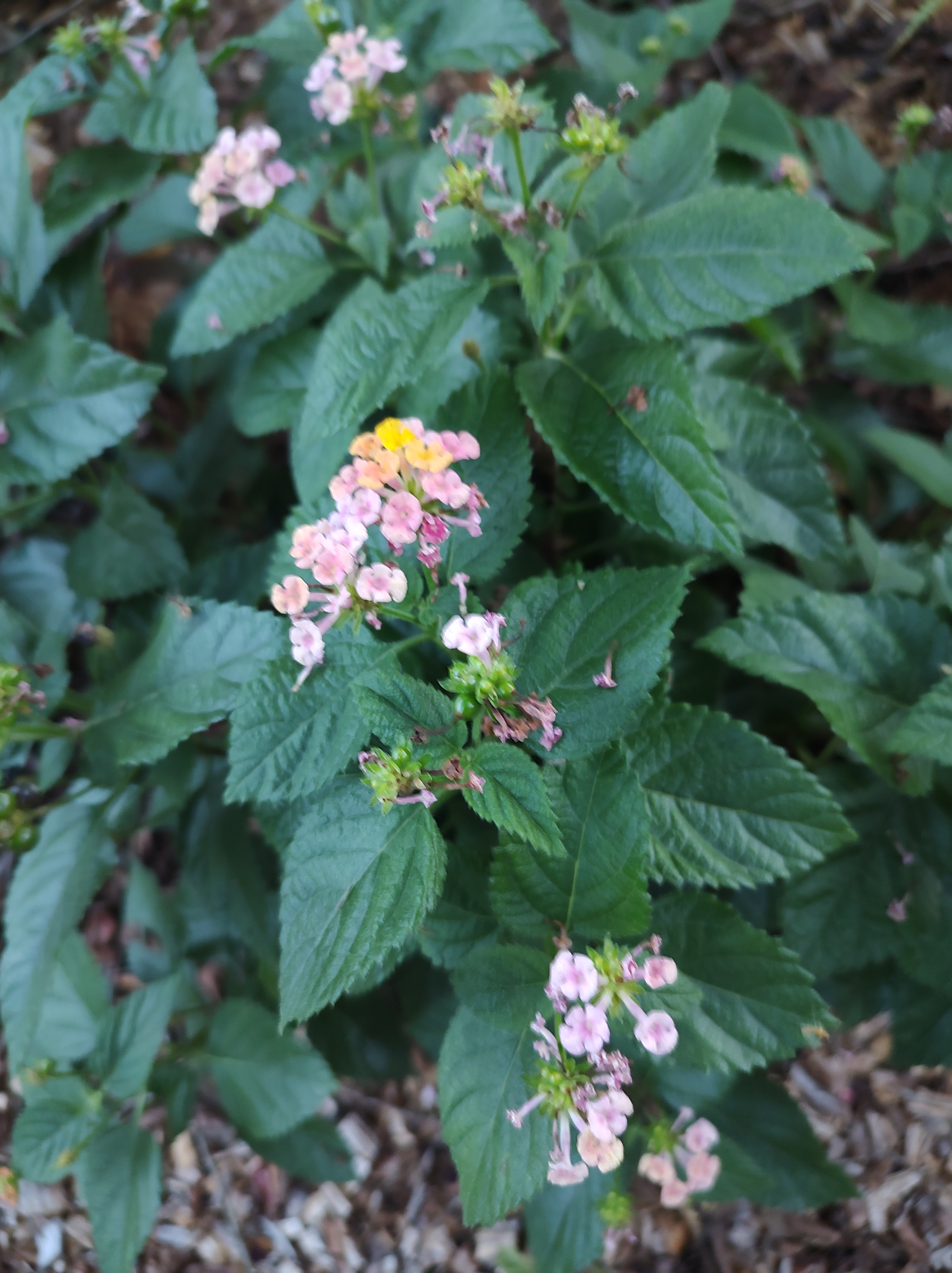 No matter how I try, the Spring plantings that I took such pride in “look like August” after the harsh heat of July and August. Plants that once bloomed prolifically look a little spare, the petunias (which I never really cared for to begin with) are faded and leggy. Even the Peggy Martin “Katrina” rose looked like it might die a few days ago; it’s springing fresh leaves again and might still manage a fall bloom. The lantana soldiers on but didn’t flower quite as much in the hottest heat; that’s okay, since I like the citrusy fragrance of lantana leaves even more than the flowers. I still have a hard time believing that lantana is an invasive species elsewhere. The hibiscus, a slow starter, seems to flourish in the heat.

The three pottings on the front porch don’t miss a beat unless I miss a watering. The sweet potato vines are swallowing that corner. I planned to prune it back but my mom likes it “as is” so I leave it alone. The volunteer caladium in one of those pots enhances the sweet potato vine and begonia sharing space. I used to explain that it was a happy accident but now I just smile and thank passersby for the compliment. I probably couldn’t repeat that accidental planting next year if I tried.
After much pruning, weeding, and sweet talk, the ageless wild rose in the backyard, taken from a cutting of my grandfather’s “mother” plant years ago, looked grim but pushed out a couple of blooms recently and looks like it might live to bloom another year. Another cutting from that mother plant flourished in the backyard of my house in north Alabama. When I sold the house to move back to Birmingham, I left a note for the incoming residents explaining the long history of that rose in hopes that they would keep it there and alive, but I doubt they did.
We’re going through a faux fall for a few days here. The temperatures are unseasonably moderate and humidity is down. These portents of fall are a break from brutal heat, but I’m already regretting the shorter days. 
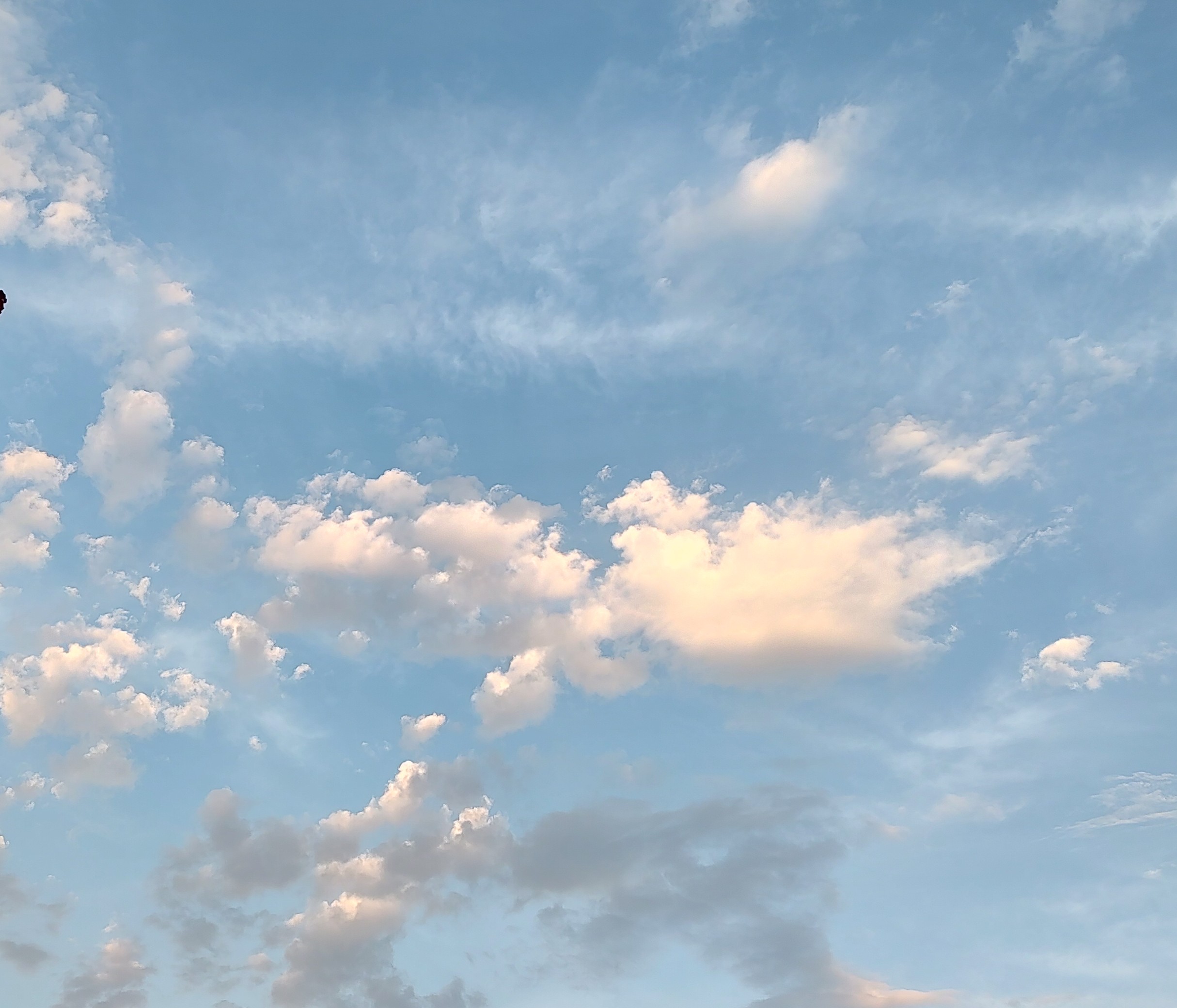
The quality of the “light in August” into September has long fascinated me. I don’t remember which came first – my notice of the August sunlight or my reading of the Faulkner novel that gave it a name. It’s a clear sky, often adorned by what I call “biblical clouds” – the fluffy pure white piles of cloud sitting majestically in the vivid sky. I started calling them “biblical clouds” because they remind me of the skies in the illustrations of Renaissance paintings that always seemed to be in those large family Bibles that were once sold door-to-door. The light, the shadows, the breeze all work together to create an otherworldly feel. It’s not there all the time, but when it happens, it stops me in my tracks and often creates magnificent sunsets.
Remember in elementary school when we would stick balls of cotton on a skyscape to represent clouds? Looking at these clouds, I’ve figured out why I never got my desired effect — why it just looked like a cotton ball plopped down on a piece of paper. Now, if I were back in elementary school, I think I’d shred the cotton ball a little and carefully spread it across the sky … Yeah, that would work.

Today’s Sunset from Shades Mountain


 Professional Southerner