Tag Archives: Alabama

Ascetic August 2020

Local tomatoes are prolific in this mid-summer early August as I gratefully accept all offers from friends and neighbors. There may be a glut of home-grown tomatoes right now; they will – like the summer – disappear soon enough, and much too soon for my tastes.

Not long ago, not having a fresh tomato on hand, and sort of craving tomatoes, I made the mistake of buying one on a whim at the grocery store. It has been years since I purchased a supermarket tomato and I was shocked anew at the lack of taste and the plastic consistency; I was reminded why I swore off supermarket tomatoes in the first place. After a couple of bites, I threw the pretender out and waited for a farmers’ market or a kind friend to come through. I never had much luck growing tomatoes on my own.

Fortunately, tomatoes have been coming from all directions in the past few weeks and I haven’t wasted a single one. Salads, tomato sandwiches, and sharp acidic sauces are the order of the day and, for many meals, a tomato sandwich or two suffice.

After the first frost, I may use good canned tomatoes – preferably Italian San Marzano, as needed, for recipes and sauces, but the authentic taste of a fresh locally grown summer tomato, still warm from the plant, is the epitome of summer southern comfort.

In the ascetic summer of 2020, simple home-based pleasures like fresh tomatoes take on added significance. I’m grateful for my retirement; this fraught fall semester of teaching would surely have done me in.


I recently read a piece about Ernie Pyle, the iconic World War II war correspondent who was a casualty of the war in Japan in 1945. In a dispatch during the war, he wrote: “Someday when peace has returned to this odd world, I want to come to London again and stand on a certain balcony on a moonlit night and look down upon the peaceful silver curve of the Thames with its dark bridges.”

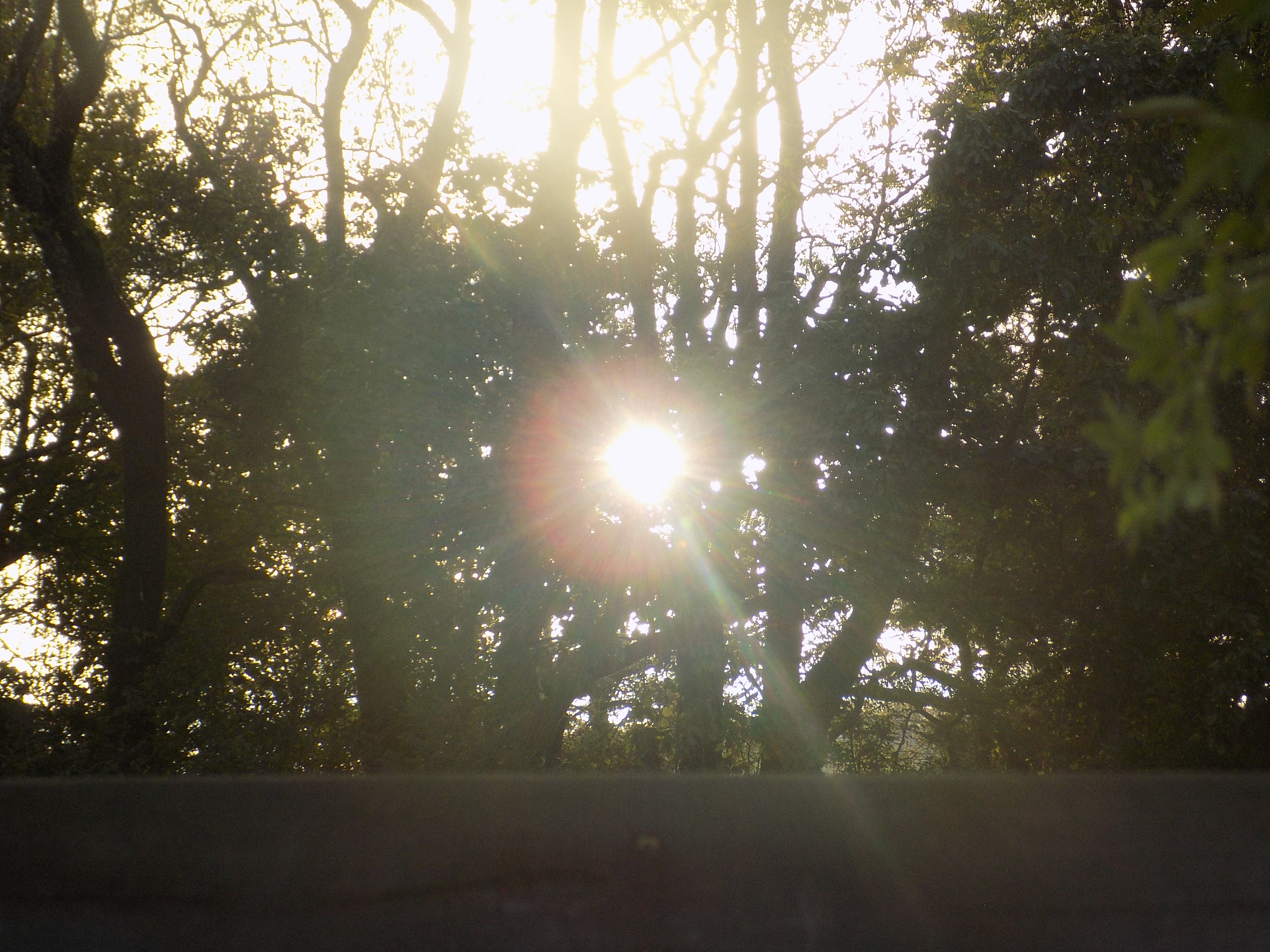
Tonight, a full moon is just appearing through the trees over Green Mountain and I understand Pyle’s longing — a longing that is in most of us, I suspect. Pyle expresses the opportunity to return to something loved, something missed, something yearned for. The idea of “normal” is toppled, but we try to make amends.


In 1989, Norman Rene’s Longtime Companion, with a script by Craig Lucas, was the first theatrical film to address the AIDS crisis. In the final scene, three friends who have survived the initial onslaught of the virus – before it was quite understood – are walking along a lonely Fire Island beach. They are musing about what it will be like when a cure is found.

Willy, Campbell Scott’s character, says, “I just want to be there,” cuing a fantasy sequence in which hundreds jubilantly flock to and party on their beach. The three stalwarts are reunited with their old friends who have succumbed to the (then) mysterious virus. As abruptly as it began, the fantasy ends, and the three figures are left once again on the beach, alone.

Ronald Reagan’s denial of the AIDS outbreak during his presidency, in the early years of that particular pandemic, calls to mind the current self-serving denial of the Oval Office’s current occupant. I cannot change the world, so I will try to nurture myself with its bounty and trust the doctors to see us through. And I will vote come election day.

I just want to be there.

Pecan Peccadillo

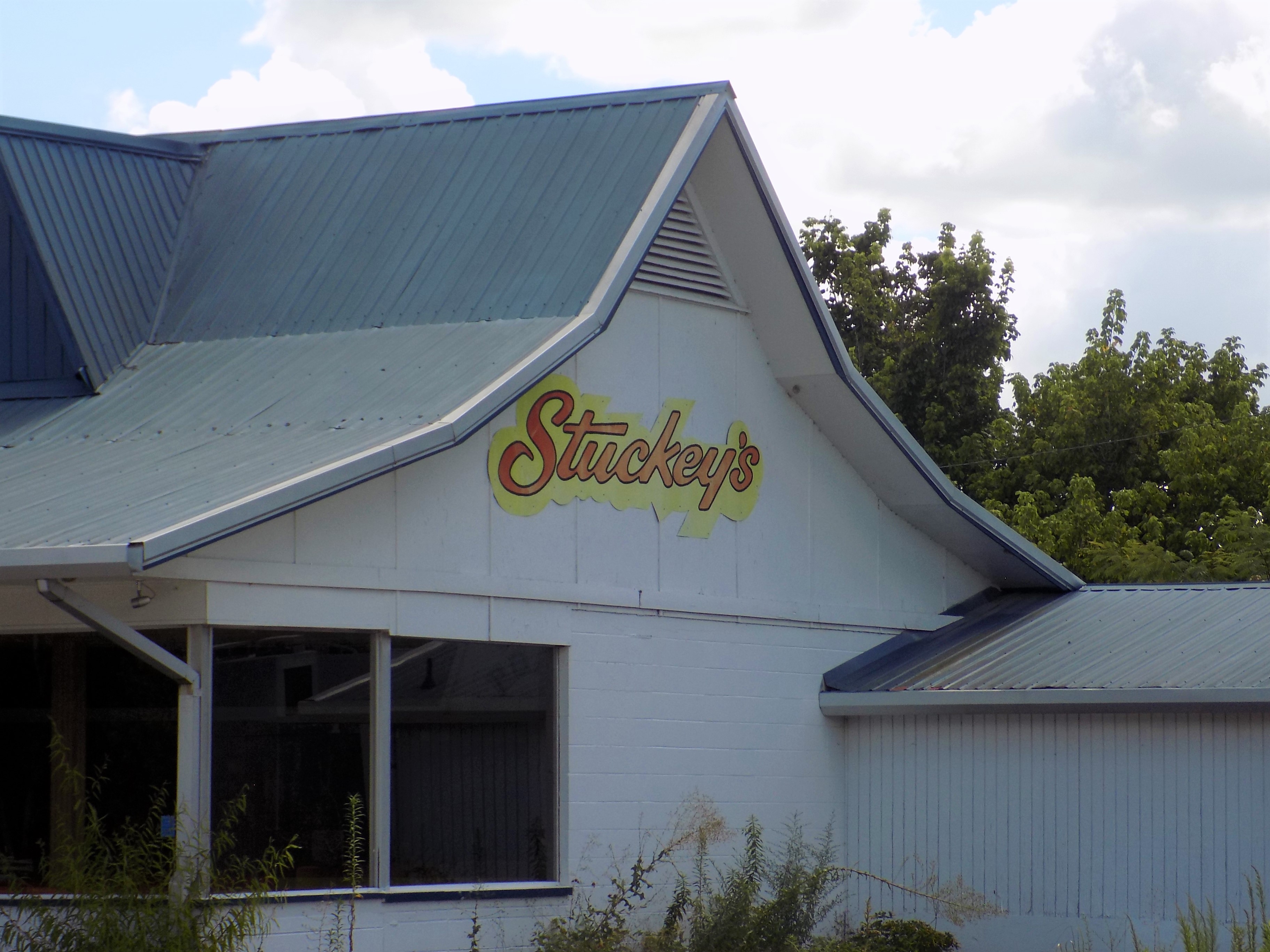
I-65, exit 289; Alabama

In this overly contentious and troubling time, it’s refreshing to see people take to LinkedIn to quibble over the pronunciation of a simple word.

Stuckey’s, the iconic roadside chain of highway stops (www.stuckeys.com), was a constant in my family travels growing up, especially on trips to the Gulf coast. It was a true roadside attraction, offering pecan-based treats, fast food and sodas, souvenirs, gasoline, and convenient (and usually clean) restrooms.

While the chain is best known for its exceptional pecan products, I was always partial to the sweet “fruit slice” candies that could usually be found. The last time I was in a Stuckey’s store, I was amused that the souvenirs seemed to be from every state – not just the state I was in.

W.S. and Ethel Stuckey of Eastman, Georgia, founded the brand in the 1930s. Their first location was a way to sell the Stuckey pecan crop. Soon, Mrs. Stuckey began to add to the offerings with things like divinity and pralines and, most notably, her special creation – the pecan log roll.

W.S. and Ethel’s granddaughter, Stephanie Stuckey, is the new CEO of Stuckey’s. Ms. Stuckey has launched an effort to locate and reclaim old Stuckey locations and rejuvenate the brand. As part of that effort, she has posted memories and details of her project. She has captured many imaginations along the way.

Among my favorite posts is the one in which she tells how her grandfather would fuel up with coffee and start driving the highways. When he had to stop for a restroom break, he would decide that was a good spot for another Stuckey’s store.

Recently, Ms. Stuckey posted what appears to be a vintage Stuckey’s ad with beautiful shiny pecans and the caption “It’s ‘PEE-CAN’.”

Cue the floodgates. People began to post reactions and support their side of the pecan pronunciation debate – a conflict that will never go away in the South. A commentary from a North Carolina man declared fervently that “PEE-CAN is the correct pronunciation!” and went on to say that any Southerner ought to know that and that those of us who say it any other way sound like Thurston Howell III on “Gilligan’s Island.”

I try not to jump into any fray these days, but I had to respond: “My Alabama family says ‘puh-KAHN’ and none of us sound like Thurston Howell. Also, Georgian Jimmy Carter, the epitome of a native Southerner, says ‘puh-KAHN.’ I bet you put peanuts in Pepsi — a sacrilege! Peanuts must go in Coca-Cola.”

I was enjoying the entertaining thread and had to stoke the fire by making reference to the old tradition – presumably Southern – of emptying part of a sleeve of salty peanuts into a bottle of soda, specifically Coca-Cola. Theories abound that the tradition was a convenient fast snack for blue collar workers or workers in the field in the early 20th Century. I had never known, until I saw it on a cooking show, that some people – North Carolinians, in particular – traditionally used Pepsi Cola instead of Coke for that down-home snack which I used to enjoy as a child. I guess it might work with Pepsi instead of Coke, but I will stick to Coca-Cola.

Still, the crux of the responses to the Stuckey ad was the acceptable pronunciation of “pecan.” Southern Living magazine has listed six variations on the pronunciation:

pah-KAHN; puh-CAN; PEE-can; PEE-kahn; pee-KAHN; and pee-CAN

I will be gracious and say that none of those are wrong, although I grew up hearing that a “pee-can” was something one kept in the car for emergencies on long trips. Or alongside the slop jar under the bed.

Most Georgians I know say “pee-CAN.” The aforementioned President Carter is a notable exception. I can’t think of any Alabamians I know who say anything other than “puh-KAHN,” and that includes some farmers who harvest and sell the nut. Priester’s Pecans in Fort Deposit, my favorite Alabama purveyor of pecan products (www.priesters.com), endorses the “puh-KAHN” pronunciation.

Pre-Pandemic, when I taught Voice and Diction classes, I would use “pecan” as an example of one of those words that has a variety of acceptable pronunciations. It isn’t necessarily even a detail of geography; I think it just has to do with who raised you. Like individual tastes in barbecue and cornbread, it has more to do with what one is familiar with and what one grew up with, and questions of relative quality become superficial.

For the record, though: I don’t accept the notion of sugar in cornbread; my barbecue tastes lean toward pork with vinegar-based sauces; I am still opposed to white barbecue sauce; and the old “peanut and soda” routine only works with a Coca-Cola.

I’m grateful to Stephanie Stuckey for giving me a pleasant distraction in difficult times. I am fully behind her ongoing crusade to reclaim and refurbish former Stuckey’s. Since I discovered her posts, I have been on the lookout for abandoned or rebranded Stuckey’s locations. I captured two as I travelled north on I-65 in Alabama this afternoon.

I-65, exit 318; Alabama

Stuckey’s is authentic, real-deal Americana. Its resurgence is a welcome antidote to the manufactured fake nostalgia of places like Cracker Barrel. I want a pecan log roll with a side of sugary “fruit slices,” and I want them now!

Summer Solstice 2020

Near the start of Fitzgerald’s The Great Gatsby, Nick Carraway says, “I had the familiar conviction that life was beginning over again with the summer.” This year, one hopes for more truth than usual in that statement as we count down a dismal year. As the sun begins its slow six-month drift south, perhaps some of the disease, divisiveness, and turmoil will ebb.

I would feel remiss if I did not acknowledge the Summer Solstice – the longest day of light of the year – and my annual re-reading of The Great Gatsby. I found time to attend to the plants in my yard as the frequent rains of Spring seem to once again be yielding to a Summer threat of drought. There was frequent enough rain through the last several months. I don’t think we’re in danger yet, but it hasn’t rained in several days and I was dripping sweat after only a half hour of yard work earlier.

I managed to make my second trip to Harrison Farms in Chilton County a few days ago and got peaches for myself, and for friends and family who have standing orders. Lynn, one of the Harrison sons, indicated that this might be an abbreviated peach season, but Mrs. Harrison said this week that their cantaloupes and watermelons aren’t ready yet and that gives me hope for a little longer season of opportunities to make the relaxing drive to Chilton County. The okra was coming in and I got a basket of perfect baby okra to bread and fry.


The peaches at the Harrisons’ acres of orchards near Maplesville are my summer touchstone, and were a sideways inspiration for “Professional Southerner.” In 2012, I spent every other Saturday of peach season traveling to Chilton County with a videographer to collect footage and interviews for a documentary about Chilton County peaches with a focus on Harrison Fruit Farm.

We collected several hours’ worth of video over a really pleasant summer. I remember an August afternoon when we set up in the parking lot of Fat Girls’ Barbecue in Billingsley and spent an hour shooting the setting sun over rolling hills of central Alabama. We spent one entire Saturday shooting the Peach Festival parade and related events in downtown Clanton. When we finally got into the editing process, the videographer’s husband decided she was spending too much time on the project for too little compensation and she abandoned me.

A filmmaker colleague at the university looked over the footage, decided that we needed to re-shoot a lot of things, and offered to help to finish the project. Before we could make that happen, my colleague got sick and died and I was never able to track down the missing footage. When I gathered my belongings from my office for retirement last month, I came across a mysterious external hard drive in the far reaches of my book shelf. Maybe … I will have to find time to check.

The film is still vivid in my head – I even got permission to use a Pat Metheny track I really like for underscoring. Whenever I make a peach run to Harrison Farms, I feel guilty that the family was so generous with their time – they all sat for interviews – and the documentary never happened.

But the experience inspired an essay that subsequently inspired me to start the “Professional Southerner” journal. That essay, “The Peach Highway and Jimmie’s Peach Stand,” continues to be one of the most popular posts of the journal over the years. The peach stand and I are about the same age and trips down there always lift my spirits, even during the uncertainty of Summer 2020.

A Joyful Noise

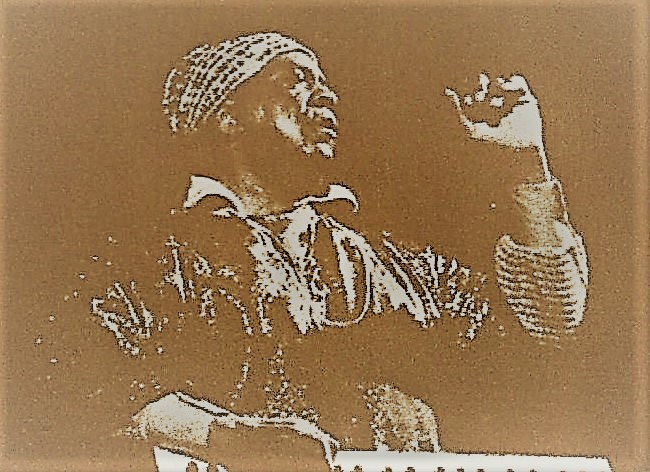
Sun Ra

“Calling Planet Earth – I am a different order of being …”

So says Sun Ra in Robert Mugge’s 1980 documentary, “Sun Ra: A Joyful Noise.” I was inspired to view the movie by Richard Brody’s recent spectacular review in the New Yorker, a review that is arguably as thoughtful and well-crafted as Mugge’s film itself.

Mugge’s hand-held cameras sometime follow Sun Ra around in random sequence; sometimes the musician walks ‘round and ‘round the camera. Occasionally, Sun Ra leaves the frame as the camera stops to ponder some detail in the room. In one memorable sequence, the camera is stationary, focused on a cityscape, as Sun Ra walks back and forth, in and out of the camera’s view, giving his thoughts on what is important to him as an artist of the universe.

He has a lot to say. “They say that history repeats itself,” he says, “but history is his story; it is not my story … Nature never repeats itself. Why should I repeat myself?”


Sun Ra was a son of Birmingham. Born Herman Poole (“Sonny”) Blount, he was a prodigious musician at an early age, playing Birmingham clubs. In the 1930s, he spent a year as a music education major at what is now Alabama A&M University.

Somewhere along the way – and the accounts vary – he had a transformative experience that convinced him that he had been transported to the planet Saturn and returned to planet Earth in a space ark to spread a new and forward-looking philosophy to the delusional Earthlings. He legally changed his name to Le Sony’r Ra, began to call his band the “Arkestra,” and the living myth was born. Sun Ra had the privilege of largely creating his own mythology while arguing for a “mythocracy opposed to your theocracy and democracy.”

He is critical of human inhabitants of Earth, arguing that “Man has failed – spiritually, educationally, mentally.” Standing in front of the White House, Sun Ra says that “you can’t have justice if you penalize people for doing wrong and don’t do anything for them if they’re doing right.”

Sun Ra’s philosophy often makes sense and shows an acute wisdom; occasionally, it might seem a little absurd. Either way, one should always watch his eyes. He seems conscious of exactly what he’s doing and saying and playing all the time, no matter how outrageous it may seem in the moment. It has been observed that sometimes Sun Ra felt that too many musicians take themselves too seriously; his music and philosophical observations seem to be both a response to his innate intelligence and a reaction to taking oneself too seriously.

In an early sequence of the film, vocalist June Tyson sings of Sun Ra as “the living myth, the living mystery.” Those words “myth” and “mystery” recur often throughout Mugge’s portrait of the man. Sun Ra is little known outside certain circles, but he retains a devoted following and immense respect among serious jazz aficionados. I was surprised when two novels I read recently featured cameo appearances by Sun Ra.

Mugge’s film does not deal with biography. It is most concerned with Sun Ra’s present, around 1980. Much of the film is shot in Philadelphia environs and clubs and in the communal rowhouse in Philadelphia’s Germantown neighborhood where Sun Ra lived with much of his band – a band that taps into his musical vision and his taste for wild and outlandish garb and adornment that appear to be a fusion of the Space Age, Egyptian Africana, and psychedelics.

When I was first exposed to Sun Ra and his Arkestra’s music, sometime during my college years, I didn’t “get it.” Much of it sounded like untamed cacophony with minimal focus or forethought. Over time, the more I listened and got to know musicians with an interest in jazz, the more I appreciated Sun Ra.

“A Joyful Noise” lends credence to testimony of Sun Ra’s virtuosity. Saxophonist John Gilmore, a long-time member of the Arkestra, comments that he finds Sun Ra’s technique “… ahead of Bird and Monk” and later evokes Charles Mingus, too. Sun Ra’s knowledge of intervals and harmony, he says, are so “highly advanced” that he decided to “stop” and devote his career to the Arkestra. He stayed with Sun Ra from the 1950s. Gilmore led the group after Sun Ra’s death, and until his own death in the ‘90s.

Gilmore is one of many examples of the quality of musician Sun Ra sought and attracted. At one point in the film, Sun Ra states that he chooses musicians who believe in “arkestration, precision, and discipline.” In rehearsals captured by Mugge, Sun Ra is a diligent and precise task-master. His musicians – in rehearsal and performance – show both attention and awe. Sun Ra’s choreographic conducting in performance appears surreal and spontaneous while simultaneously controlled and conscious.

The concerts feel trance-like – in observation of both the musicians and the audience experiencing the music. In his lifetime, Sun Ra was called a “catalyst.” “A catalyst,” he says, “changes everything, but remains the same.”

I don’t always understand Sun Ra and his music, but I always enjoy the effort.

The title of Mugge’s film comes from a story Sun Ra tells in the documentary. When he and members of the Arkestra lived communally in the Philadelphia rowhouse, they would rehearse any time – day or night – that Sun Ra had the urge to create. Once, when the police came to the door in response to a complaint, they told Sun Ra that neighbors had complained about the “music.” He informed them that he wasn’t playing “music” – “I was making a joyful noise – that’s what the Bible said.”


Sun Ra had strokes in his final years and was brought back to Birmingham to be cared for by family members. He died in 1993. I was surprised to learn that he is buried at Elmwood, the 120-year-old Birmingham cemetery where my father is buried. Out of over 130,000 plots at Elmwood, I discovered that Sun Ra happens to be buried in the block just across the way from my father.

Occasionally, I spot license plates in Elmwood from far-flung places with people looking around for something in that vicinity. Occasionally, those people look like forward-thinking musician-types. If they’re looking for Sun Ra, I am happy to point out the place where his Earthly remains are resting.

Dispatch

Mural in West Homewood; signed by Marcus Fetch

A few weeks ago, before stay-at-home orders but when it was evident that this thing was not going to disappear quickly, I checked to see if a local restaurant that I go to regularly was still open. It was Tuesday and it is my habit to have dinner there on Tuesdays. My friend Christina was usually behind the bar on Tuesdays and there was a coterie that often showed up for dinner at the bar on Tuesday.

I checked in to see if Christina was there and, after telling her I might not show up, I thought long and hard about my decision to go out. I decided to drive over and check out the restaurant’s parking lot. It was almost empty so I parked near the entrance and walked in to be greeted by familiar staff and a room full of empty tables, judiciously spaced a suitable distance apart.

A couple of customers were sitting at the bar; Christina looked up in surprise as I walked in. I took a seat at the far end and kept my distance. Before long, the other Tuesday night crowd arrived – “to show support,” one said – and we dined at the bar in an otherwise empty restaurant. A few people phoned-in take-out orders and began to filter in and out.

One couple in the small gathering had recently seen Diana Ross in concert, someone else began to softly hum something, and, before long, we were all singing Diana Ross in the almost empty restaurant. Inevitably, “Stop! In the Name of Love” began, everybody knew the moves, and we sang full-throttle. The chef came out and suggested to Christina that we keep it down so as not to disturb the other customers. There were no other customers.

Nobody said so that night, but we all knew that this would be the last outing for a while. Two days later, Christina texted me: “Dine in is shut down.”


Pepper Place Market; Birmingham

Pepper Place, my favorite farmers market, located in downtown Birmingham, has converted itself to a Saturday morning drive-thru. I placed and paid for my order online, drove to the market site on Saturday morning, was directed to the stations of the farmers I had purchased from, popped the trunk open, my produce was deposited, and I drove away. The Pepper Place Saturday market has always been a great place to linger and people-watch; now it’s back to its basics – providing fresh, locally grown farm products to a grateful clientele in a safe and efficient manner.

On the way back from the market to my parents’ house, I swung by Five Points South. There was the usual component of walkers and runners and dogwalkers and the homeless, but store fronts were shut tight and the place, where I have spent so many enjoyable moments with friends, seemed desolate and somehow forsaken on a bright Saturday morning.

Brother Bryan; Five Points South; Birmingham

In Five Points South, across from Highlands Methodist and Frank Fleming’s “The Storyteller” fountain, “Brother Bryan” prays quietly in front of a bar and grill – in a location that has seen a multitude of restaurants and bars come and go. James Alexander Bryan (1863-1941), the long-time pastor of Birmingham’s Third Presbyterian Church, was noted for his selfless ministry to the poor, homeless, and destitute. A city park and mission still bear his name and the statue in his honor has been a fixture in the city as long as I can remember.

In good times, he is there almost hidden among the revelers and restaurant clientele; he’s there in bad times, too.


Leaving Five Points South, I was in Homewood, a Birmingham suburb just over the mountain from the city. Homewood’s main commercial district was quiet, but that community has a lot of kids on bikes, families in front yards and on porches, runners and joggers and dog-walkers almost anytime, and the current times are no exception. Traveling down Homewood’s Broadway, I found myself behind a gelato truck, its happy jingle blaring.

In my parents’ neighborhood, stuffed animals began to appear in windows, on porches, and in trees and shrubs – inspired by the world-wide trend of the “teddy bear hunt” to provide a distraction for children. My mother was the first on her street to put a stuffed animal in the window and I awoke one morning to the delighted shrieks of a neighborhood toddler on the sidewalk outside who had just made his spotting. Within a couple of days, most of the neighbors had stuffed animals hidden somewhere on their premises, too.


Over my alleged “spring break,” I began to catch murmurings that this remote teaching thing might last until the end of the year. The specter of teaching for nine more months in a way that is anathema to everything I believe about education – especially as a performance instructor – haunts me.


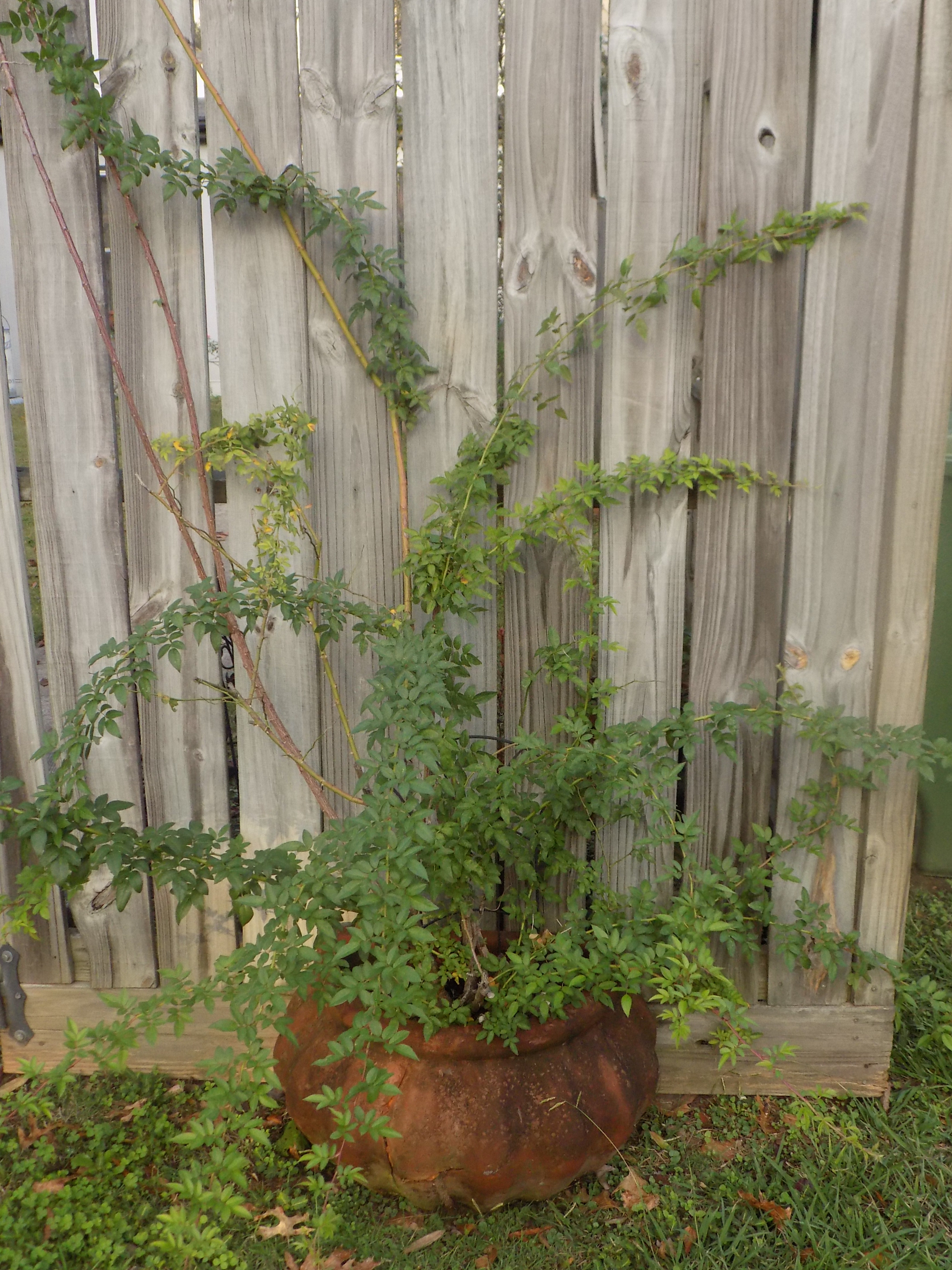
Arriving back at home on Sunday evening, I was pleased to see that the irises by my front door were bursting into bloom and the wild potted rose that I have been training over my back fence and gate was showing its first tentative blooms of the season. I sat in my yard and enjoyed the beauty of the season and the nearly full moon that was just beginning to show in the pale sky.

The next day, I submitted my letter of intent to retire. My retirement will go into effect on June 1.

It has been a horrible year so far. But pay attention to the nature around you. It has been a beautiful spring, hasn’t it?

Breathe

On the day before I leave for my annual December pilgrimage to Point Clear, I notice an online horoscope for my sign that reads

A strong craving for solitude tempts you to ask people to leave you alone today. Many animals hibernate for the sake of rest and revitalization; you’re not purposely pushing anyone away to hurt their feelings … Let everyone know you are not vanishing from their lives; you just need more sleep. This is one of those occasions when cuddling with your individuality rejuvenates the beast within…

I do not put much stock in astrology, but occasionally a horoscope – like a fortune cookie – will hit the nail on the head (not sure how I feel about rejuvenating “the beast within,” however).

I have made this December trip so many times that there is no longer pressure. I’ve thoroughly explored the landscape down here and don’t feel a need to venture forth too much if I don’t want to.

On this drive down, I am weary.

There is a time in that drive when I exit I-65 South onto AL 225 toward Spanish Fort. Taking that exit, I breathe. I open the car window to breathe in that air “below the salt line.” The air is brisk and chill and I savor its tonic.


By the time I drive through the gates of the Grand Hotel (www.grand1847.com), I am calm and relaxed. After checking in at the gate, driving onto the grounds, I hear the gate attendant say “Mr. Journey is here. He’s driving a gray Ford.”

Although I have heard the prompt, it pleases me when the valet opens my door with a warm “Welcome back, Mr. Journey.” I used to be a professional director and stage manager and I appreciate that attention to detail.

The low pre-winter sunset is intense on my balcony as I unpack and settle in for the all too brief pre-Christmas respite. The afternoon cannon firing at bayside occurs just as I open the balcony doors of my room in the spa building.

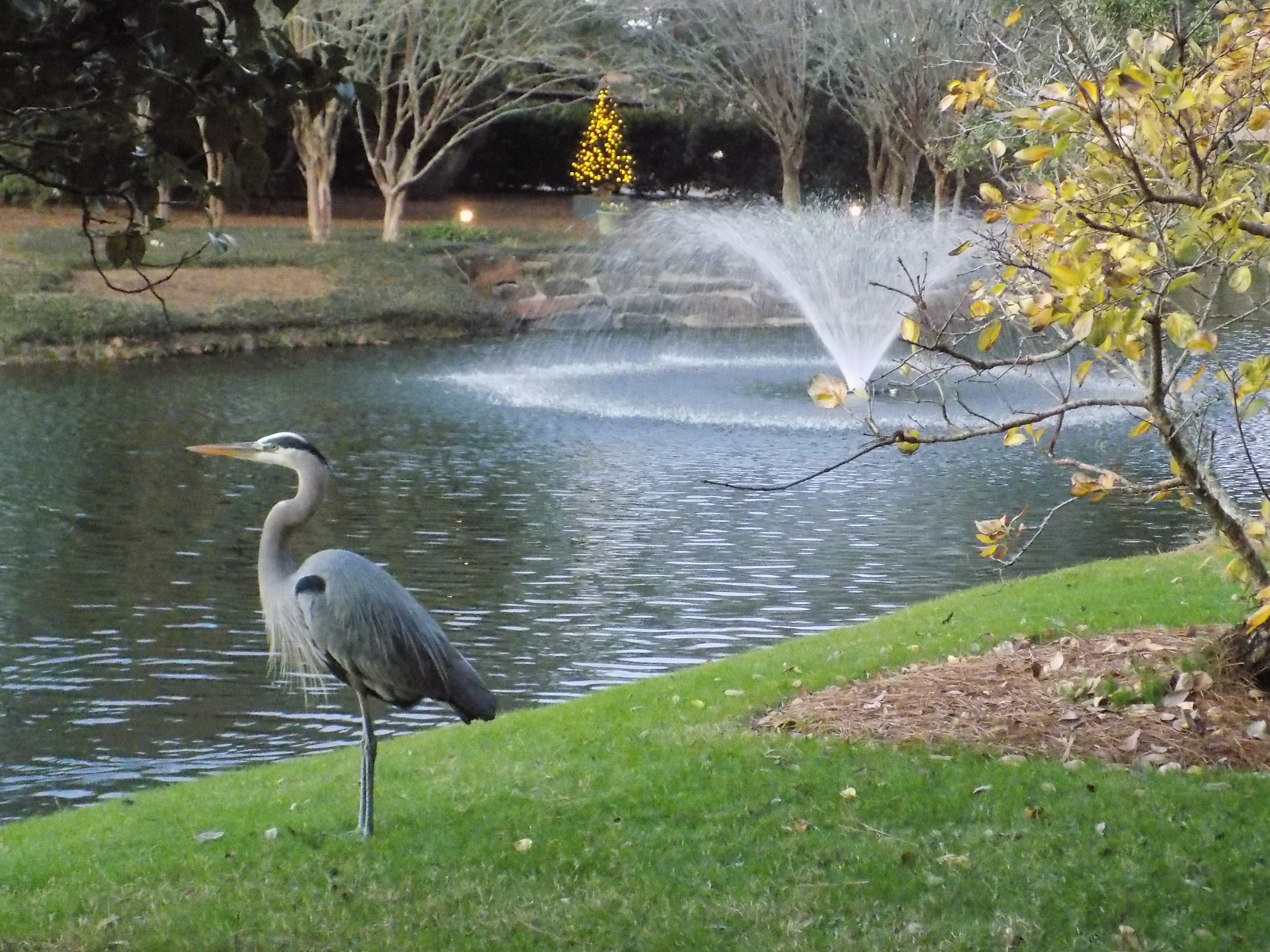
On a late afternoon stroll around the lagoon, with holiday lights beginning to flicker on, the squawking ducks, clamoring for food, distract me from the great blue heron standing like a statue just a few feet away. I have just enough time to snap a photo of the stately bird before he glides across the water, landing on the other side with a fish in tow which he quickly ingests.

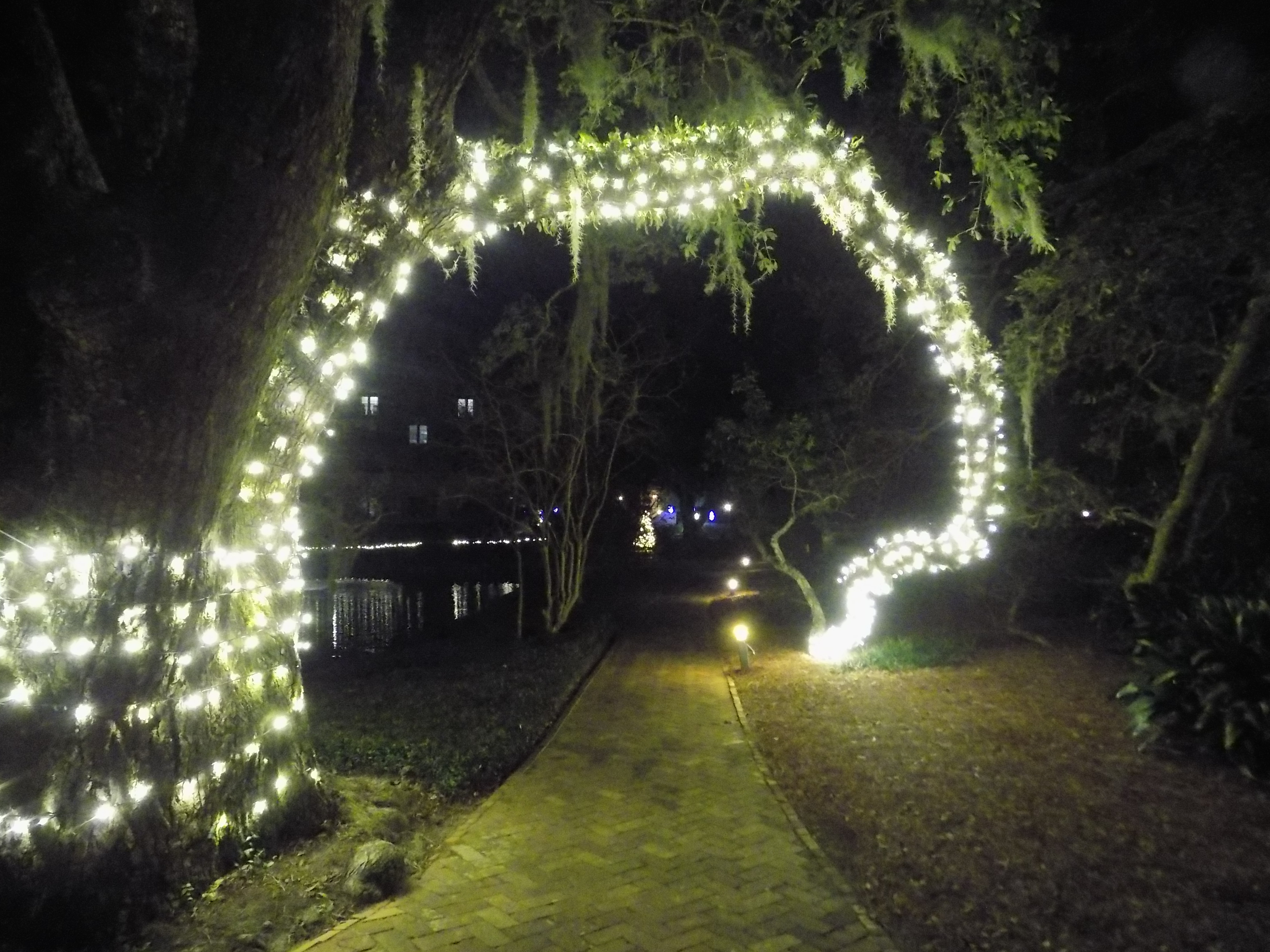
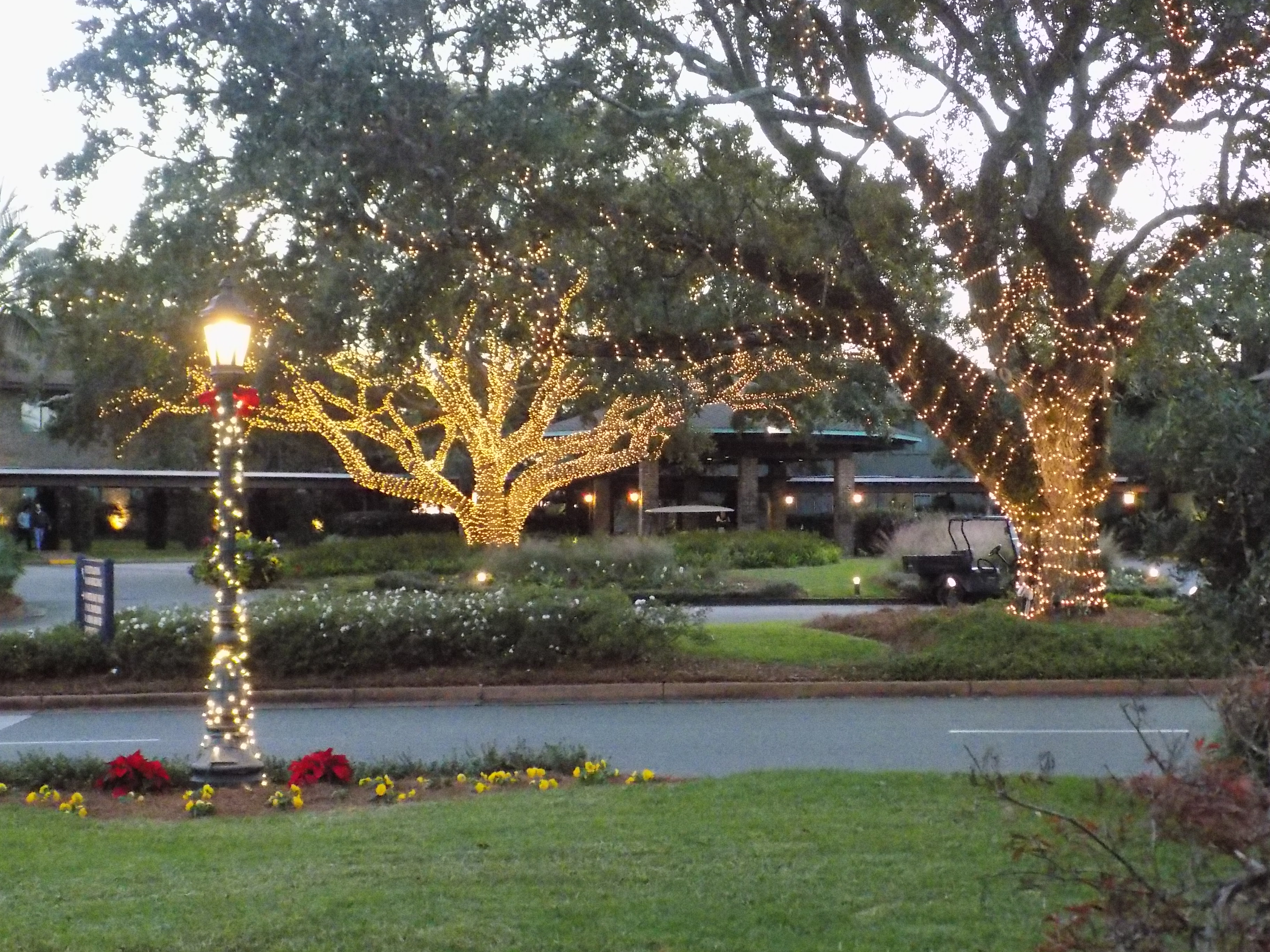
This year, the lighting in the lagoon area has taken on a theme of arches, with Christmas trees sprinkled liberally along the walkways. In addition to archways scattered throughout the area, the natural arches created by the dipping branches of the ancient live oaks are dramatically accented along the way. The three fountains that dot the lagoon spray up like magnificent sparklers. The effect at dusk, with the golden lights illuminating the dripping Spanish moss and the silver lights on the fountains, is as magical as any magic I’m willing to believe in at this stage of life.


My annual Christmas present to myself – a warm stone massage with Claudia – is scheduled for my first morning at the Grand. I arrive at the spa early to relax in the calm of the quiet room and to catch up on news of my favorite attendants; Al Agee retired a couple of months ago after many decades at the Grand, and J.C., who was off that day, is still around. Michael, the attendant on duty, is a charming character and – like Al and J.C. – he has good stories to share.

I have described my massage with Claudia as “the shortest eighty minutes of my year.” On several occasions during the session, I hear myself expel a deep breath, often as bundles of nerves and tension begin to fade away.

Is it any wonder that I spend my year anticipating this annual respite?


With the Grand resort’s recent upgrades and renovation, the new Southern Roots restaurant is a most welcome addition, providing an inventive, locally-oriented menu featuring locally-sourced produce, seafood, meats, and desserts. The mixologists provide an inventive daily inspiration in the adjoining 1847 Bar. Everything is exceptional. I normally go out for dinner when I stay at the Grand but will be taking more meals on-site now.

Down the road in Fairhope, Dragonfly Foodbar continues to offer an inventive menu of tastes fueled by Asian and Mexican influences. I seat myself in a dining room at Dragonfly that is between two more crowded rooms and amuse myself with the interesting juxtaposition of music coming from each side. As one room plays classic rock, the other plays upbeat holiday tunes. This results in vivid aural contrasts: “It’s Raining Men” competes with “Carol of the Bells” followed by Elton John singing “Tiny Dancer” on my left with “Sleigh Ride” bouncing along to my right.

I tell the server that the random musical contrasts are pretty trippy. “Yeah,” she smiles, “I kinda love it.”

The trippy music trend continues later in the trip as I am sitting at 1847. Elvis Presley’s rendition of “Winter Wonderland” is playing in Southern Roots while, across the Grand Hall at the Bayside Grill, a live musician performs Leonard Cohen’s “Hallelujah.” And I would swear that I simultaneously hear The Supremes’ “The Happening” ghosting in from somewhere in the distance.

The Wash House (www.washhouserestaurant.com), a long-time favorite just down the road from the Grand, is bustling with holiday and birthday celebrations on the night I am there. I decide at the last minute to dine at the more quiet bar tucked away to the side of the main dining room. Seafood is always fresh and local at the Wash House.

The next night, at Camellia Café (www.camelliacafe.com), I start my meal with a half dozen Isle Dauphine oysters from west Mobile Bay near Dauphin Island. These tasty oysters are harvested not far from where my current favorite Murder Point bivalves originate near Bayou La Batre.


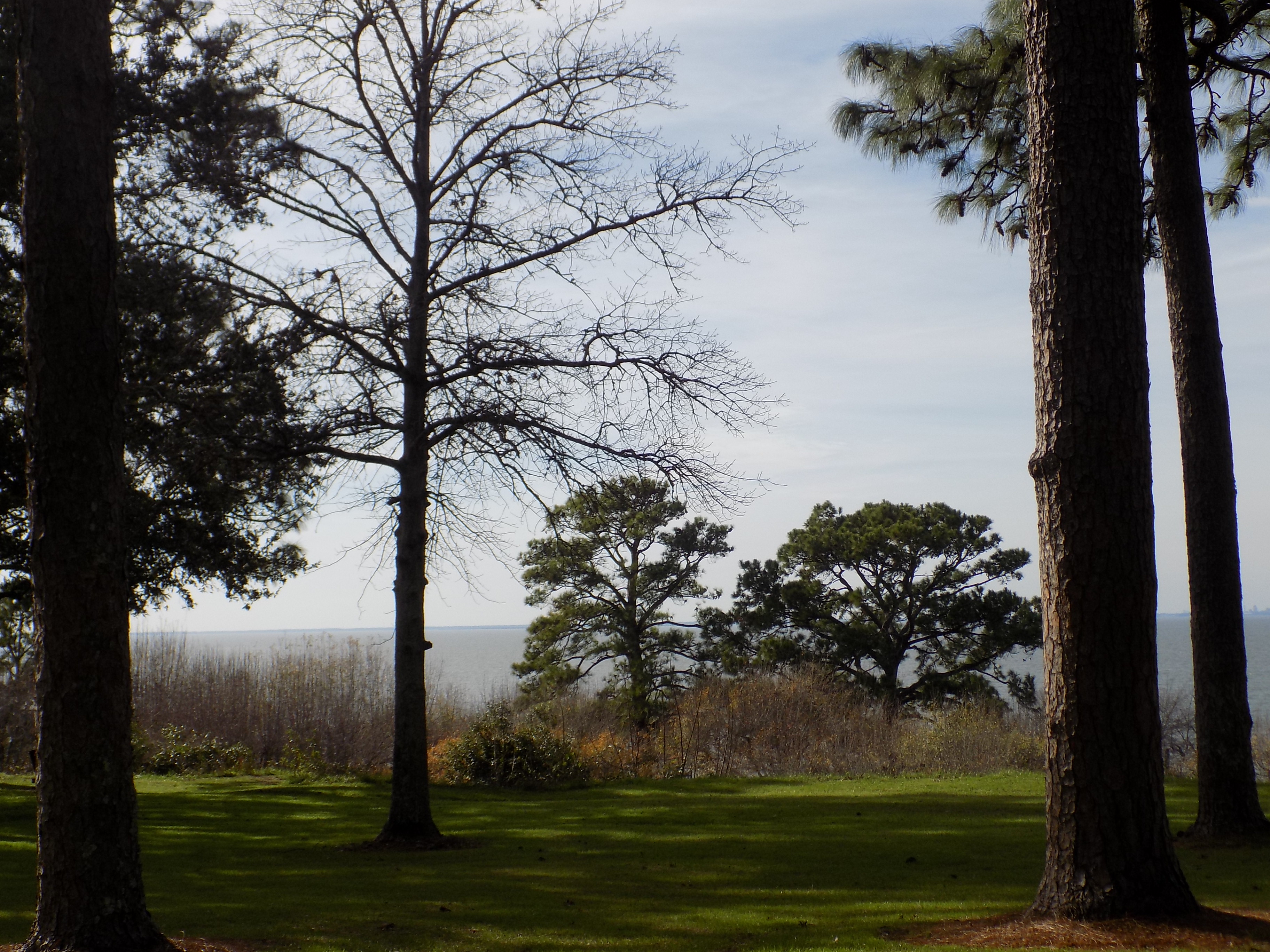
Interspersed among my dining experiences are drives around the bay, the search for interesting landscapes and architecture, and the opportunity to photograph favorite spots, both new and old. The dock at one of the city parks along Scenic 98 has long been a favorite. Later, I pull up to Harrison Farms on the main highway for bags of satsumas, to B&B Pecan Co. for local pecans, and to Punta Clara Candy Kitchen for preserves to include in the traditional New Year’s Day meal.

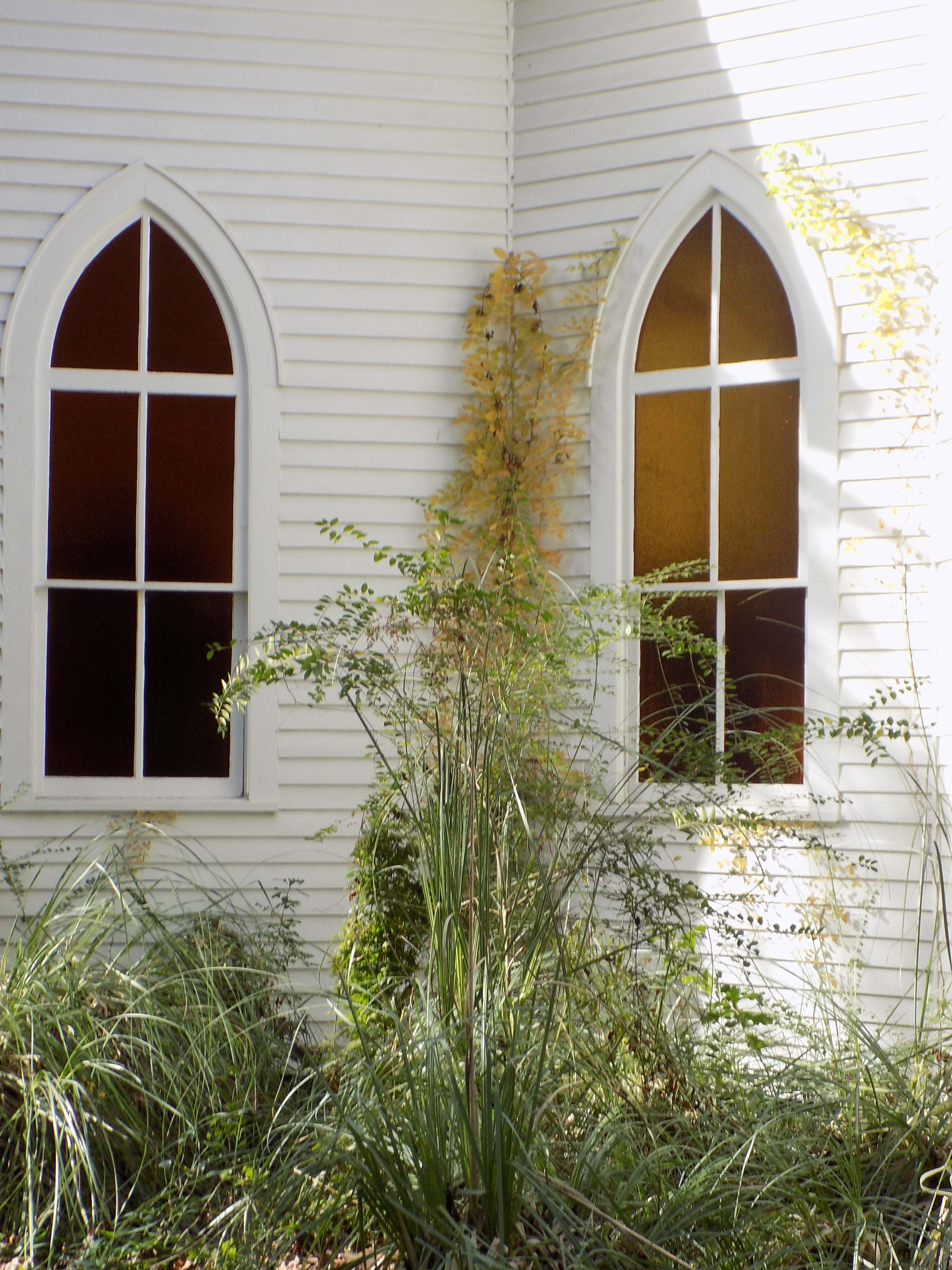
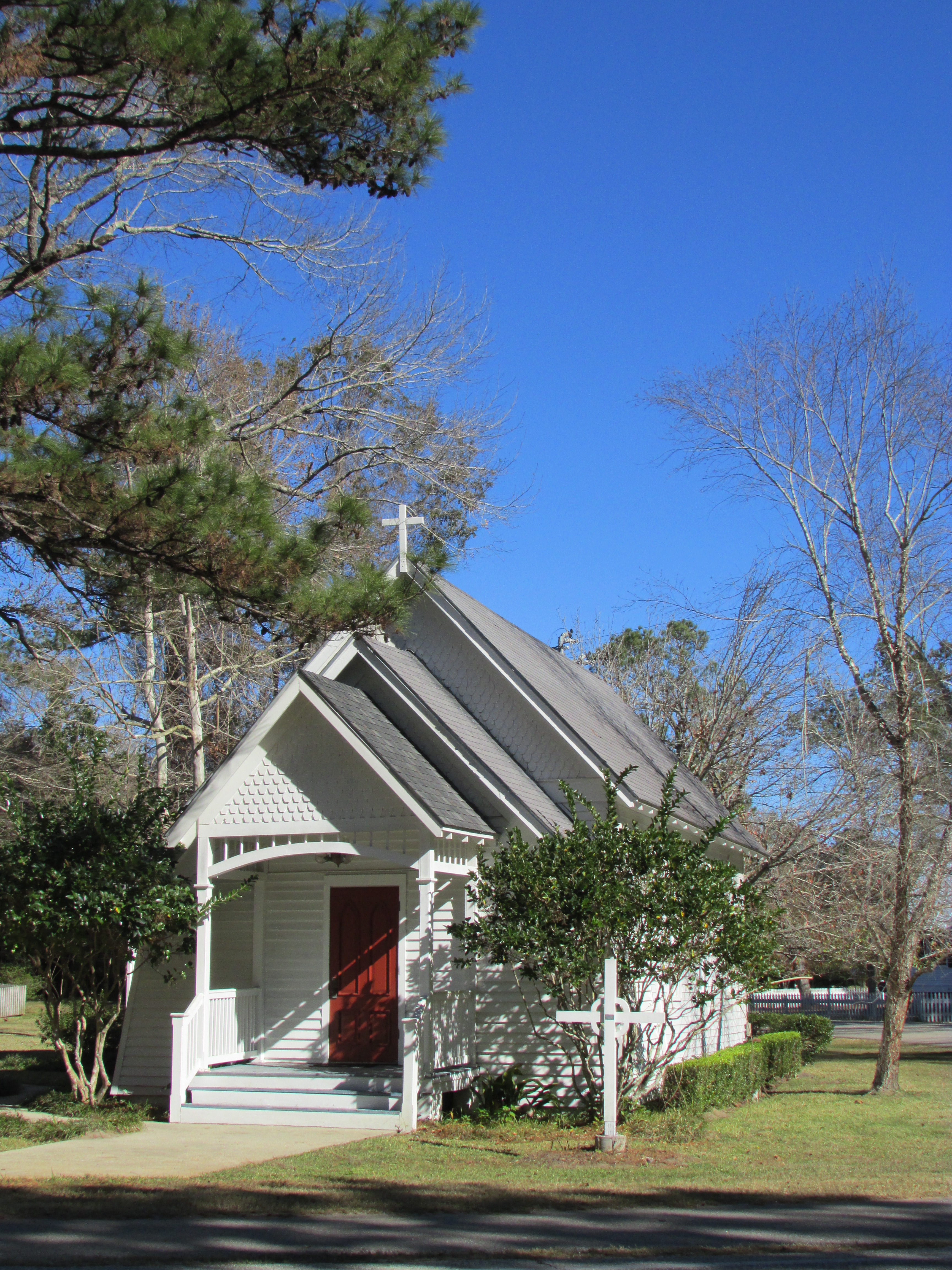
The Sacred Heart Chapel, just down the road from the Grand, is a small church from 1880 facing the bay. It’s closed in the winter, but its grounds provide a pleasant stroll. It’s a quiet spot that has seen its share of hurricanes and battering weather over almost a century and a half, with a porch that is a good spot to rest and take a breath.


The final full day is a special one – although rain persists throughout the day. Early, I go down to Bucky’s, the hotel’s stalwart lounge in the main building, and enjoy West Indies salad, a Mobile original – a chilled salad of crabmeat, chopped onions, oil and vinegar, and seasoning. Later, I return to Bucky’s to join friends Deborah, Jeana, and Emily for a generous and delicious serving of fried crab claws that takes us all back to memories of Grand visits in the past. Emily, who manages a Mexican restaurant near Mobile, introduces me to the Paloma.

On that final evening, I join the Brunson family at Allison and Richard Brunson’s home on the bay. As soon as the front door opens, the aromas of homemade gumbo have filled the house. It’s lovely to sit at table with my friends and their family. As the only one around the table who is not a Mobile native, I enjoy hearing the reminiscences of long-ago days of a Mobile childhood. After an exceptionally delicious slice of Allison’s pecan pie for dessert, I go back to the hotel to rest for my rainy drive back to Birmingham in the morning.

All of these moments go into my storehouse of Christmas memories.


After checking out of the hotel, I have one more errand before I hit the road: I stop at Market by the Bay (www.marketbythebay.com) on the way through Daphne and pick up a shrimp po’boy to go. Back in the car, I put the open-faced sandwich on the passenger seat beside me and pop succulent fried shrimp as I drive. The sandwich is gone by the time I get to I-65, take a breath, and merge onto the crowded highway.

Breathe. And savor the holidays.

Christmas Card – 2019

For a university professor, there comes a feeling of freedom that is hard to explain after a college commencement. The stress of weeks of advising, calculating grades, assessing final exams, and fielding last-minute (and often questionable) excuses, yields to a few hours of everybody dressing in medieval robes and going through an ancient ceremony of finality and (hopefully) new beginnings. Commencement. And only one more faculty meeting standing between me and the short holiday break ahead.


My Christmas cards went out a few minutes earlier than usual this year. As a rule, I don’t want the cards postmarked any earlier than December 1. This year, I waited until later on November 30 to mail the cards from the main post office in downtown Birmingham; after they were put in the box, I saw that the last Saturday pick-up was 8:00 p.m.

It was approximately 7:45 when I noticed that.

I began to get text and email acknowledgements of my cards’ receipt on December 1 and, indeed, the postmark was November 30. Nobody but I would notice or care about that little trivia.

That annual Christmas card – usually with a photograph of an older Alabama church building – has become a year-long project which I have written about in the past. As soon as the cards go out around December 1, I start searching for another image to feature next year. That decision is usually made some time in January; the next few months are spent revisiting the image and thinking about messages when I have some free time and need a break.

The message changes over the course of the year, depending on what’s happening in the world. Some variation of “Peace” has been a constant since 9/11/2001.

In the first few years of the project, I usually stuck with a basic “Merry Christmas” and “Peace on Earth” type message. This year, the “Merry Christmas” was accompanied by “Peace | 2020 | Hope.” That means something to me, whether recipients get it or not. I feel like 2020 may be a watershed year for our world, not unlike 1968 was in my youth, and I look forward to it with both excitement and trepidation.

My Christmas card combines my interests in photography, history, ecclesiastical architecture, and architecture and nature in general. It is always a way to touch base with those I don’t always hear from during the year. The card “restores my soul.” I have written in the past about how each card I address (over 200 this year) becomes a “brief meditation” on that recipient.

My church this year is a 2018 photograph of St. Francis at the Point, a pretty white Anglican church in the charming village of Point Clear on Mobile Bay. It is just down the way from the Grand Hotel where I try to spend a few days each December between commencement and Christmas. On occasion, if my Point Clear trip coincides with a Sunday morning, I will attend an Advent service at St. Francis. On a sunny December morning, with sunlight streaming through the abundant clear glass windows, it is a perfect place for reflection, hope, and meditation. The building is actually a 21st Century structure, dedicated in 2001, but it captures the essence of a style of church architecture that inspires me to grab the camera. The little St. Francis at the Point Chapel, originally built in 1898, sits near the newer building; it adorned my card a few years ago.

My Christmas card is an act of celebration of the holidays and the season to come. It is looking forward to a freshly-pressed year hanging on the line and just almost, almost within our reach – with all of the potential that image represents.

Commencement.

Chapel – St. Francis at the Point

Waning October

Maybe it’s because I’ve been reading Proust. Or maybe it’s because I watched part of a Bob Ross marathon on public television over the weekend. Maybe it’s because I heard Prince’s “When Doves Cry” night before last. Whatever it is, as I began to winterize my back yard yesterday, I found myself more attuned than usual to detail and the melancholy of changing seasons.

October was more manic than usual in this Tennessee River Valley region of north Alabama. There were drought-like conditions for a while, accompanied by record-breaking heat. Now the weather is more seasonal, but there is minimal fall color on local foliage. This will be a year when it rains, leaves turn brown, wind comes, and leaves blow down.

I have watched the weather closely, wanting to keep house plants outside as long as possible before moving them indoors. With a first freeze forecast for this weekend, I decided it was time to pull the trigger and move things in.

Only a few things needed to be brought inside this year. The ponytail palm I have kept for twenty years still resides snugly in the concrete pot inherited from my grandfather. A philodendron, remaining from a memorial arrangement of plants sent to my father’s funeral, is being tricky; a few months outdoors seemed to be reviving the plant to its former glory but it has dwindled again. It’s hoped that a few months being pampered in a sunny spot just inside the back door will revive it.

The braided ficus now hovers over the philodendron, standing again in its cold weather spot welcoming anyone entering through the back door. It will probably shed leaves for a while due to the shock of being moved from outdoors to inside – a distance of perhaps eight feet – but it always recovers quickly, brightening up the indoors during the drearier months.

An unexpected import to my library was a container full of basil that has spent the warm weather just outside the back door. I usually allow nature to take its course with the backyard container herbs but the basil is still so healthy that it was moved in, taking a spot in a back window. It’s on the table where I like to eat my summer tomato sandwiches, dressed with basil from those same plants. I’m challenged to see how long into the chilly season I can keep home-grown fresh basil and pesto.

Most of the outdoor plants that will remain outdoors seem oblivious to the encroaching cold. My grandfather’s wild rose, planted along the back walk, has taken advantage of the milder weather to sprout a whole new bunch of blooms and buds. Based on weather forecasts, those may be gone by this time next week. The hydrangea is beginning to retreat. For several years now it has refused to bloom. Every year at this time I vow to do the needed soil amendments to help it flower again next year and every year at this time I regret putting it off for another year.

The redbud, which had such an impressive growth spurt over the summer, has already dropped all but two of its heart-shaped leaves. Based on the success of the little tree this year, I am finally confident that it will survive to flourish next year. Meanwhile, the camellia seems healthy and strong and should be showing crimson blooms within the weeks to come. A fragrant tea olive, planted outside the back gate, is putting on a final fall show of delicate white blossoms.

There was no time to pursue many of my desired garden goals this year, but the one I committed to was nurturing a pot-grown wild rose at my back gate (opposite the tea olive). Over the years, I have tried to train a flowering plant to climb over my back fence and gate. Jasmine never took the hint, but this wild rose, which has become a fast-growing and wildly prolific mainstay at the back gate, is taking well to being trained. It doesn’t look like much now, but I look forward to the two or three weeks in early spring when it blossoms and creates a sweetly fragrant welcome when I arrive home.

Even as the yard is made ready for cooler weather, I make mental notes of changes and improvements to be made come spring. These thoughts of next year propel me forward to face the long nights and dreary cold days ahead.


Fall Feast in the Shoals

The cotton was shimmering in the low-slung October sun as my friend Anne and I travelled into the Shoals. When we parked at the Alabama Chanin Factory in Florence, a faint rainbow was showing amid pink sunset clouds.

It was time for another Friends of the Café dinner at the Alabama Chanin Factory (www.alabamachanin.com) – a dinner series that draws interesting people from the Shoals and beyond to the former tee-shirt factory on the edge of Florence, Alabama.

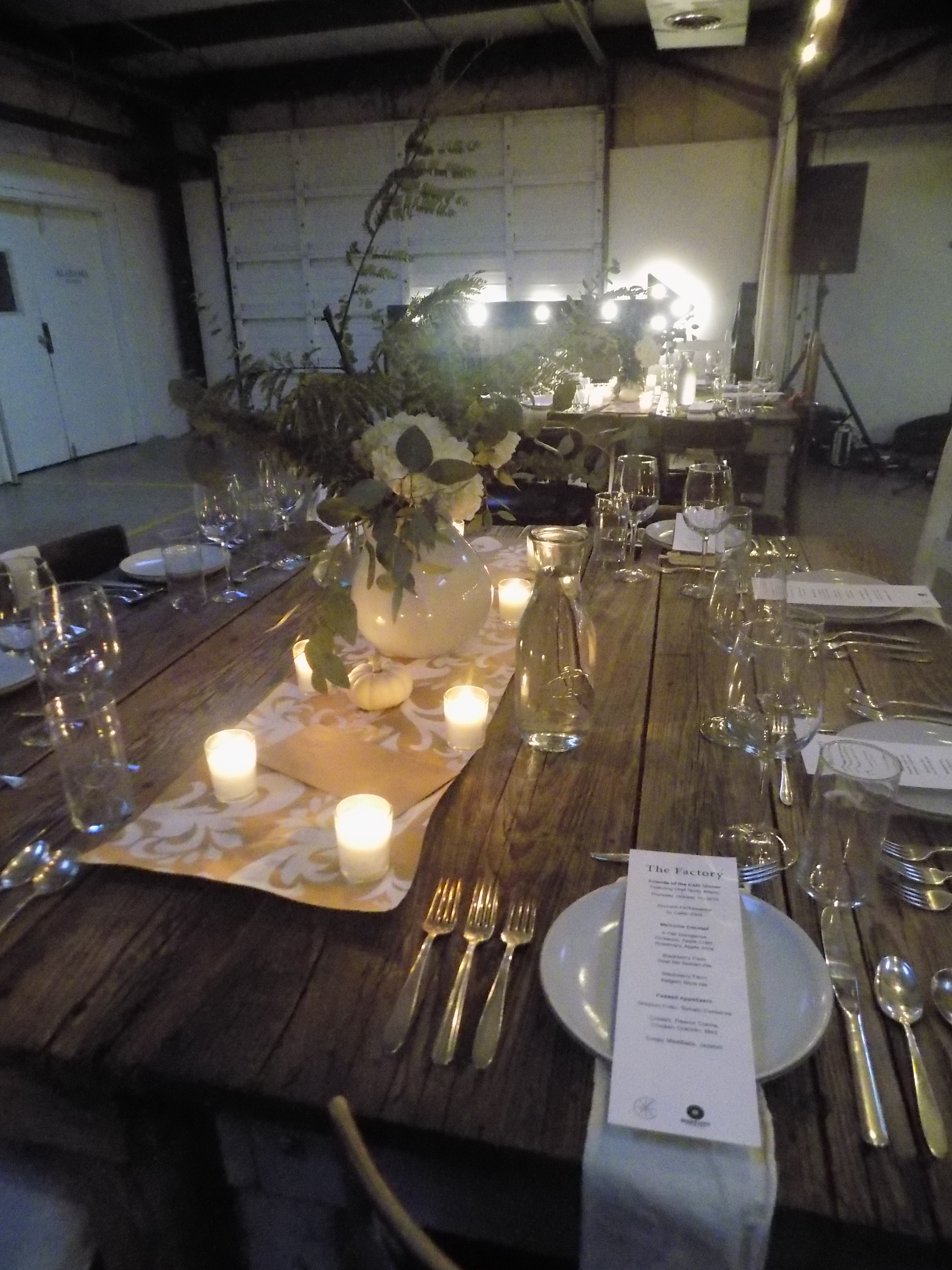
Due to fall’s early sunsets, the inviting fashion showroom and dining area were already dusky and shadowy – the skylights providing scant illumination; the room was mostly lit by the glow of candles from a bevy of tables awaiting a sumptuous feast by guest chef Tandy Wilson.

James Beard Award-winner and Nashville native son Tandy Wilson’s City House (www.cityhousenashville.com) is a pioneer of Nashville’s currently vaunted culinary scene. City House and Wilson are celebrated for a menu with a strong Italian influence highlighted by fresh and local Southern accents. The Florence dinner was a perfect example of that blend with Italian dishes featuring seasonal ingredients paired with fine Italian wines. All Friends of the Café events are fundraisers for worthy causes. The Tandy Wilson dinner benefits Project Threadways, a nonprofit that records, studies, and explores the history of the textile industry in the Shoals community, and the American South.

The evening kicked off with a welcome “Fall Indulgence” of Prosecco and apple cider garnished with rosemary and an apple slice. Appetizers began to circulate through the crowd, including a gnocchi fritto topped with a tomato conserva and crostini topped with peanut crema, chicken crackling, and mint. The pre-show showstopper for me, however, was a crispy meatball with a peach-based Jezebel glaze. Each time those meatballs floated past on trays carried by the Alabama Chanin staff, I could not resist.

After thirty minutes of mingling and chat, the diners were seated for a performance by Single Lock Records (www.singlelock.com) artist Caleb Elliott, featuring selections from his debut album, Forever to Fade. Elliott’s label calls his sound “swamp-art-rock.” That works — but I’d call it a soulful contemporary version of the classic Muscle Shoals Sound with thoughtful lyrics, poignant vocal phrasings, and lushly inventive orchestrations. I’ve been listening to ­Forever to Fade ever since the event and highly recommend this engaging musician/singer/songwriter.

The musician’s more pared down selections at the Factory featured Elliott, with his sensuous lyrics, guitar, and bass, and violinist Kimi Samson, providing string and vocal accompaniment. After a long week, this pre-dinner entertainment was a revelation. Elliott and Samson’s performance in the dimly lit room was beautiful; as they played, the staff continued to glide  surreally through in the glow of candlelight — offering up appetizers to the seated diners. It was one of the most transcendent of many magical moments I’ve experienced in that venue in the past five years.

By the time the pre-dinner activities concluded, we had become acquainted with a tableful of interesting people including artists, musicians, educators, and fashion, medical, and communications professionals from the Shoals and beyond. One couple – originally from the Shoals – was visiting from Germany, where they have lived for several decades. Everyone at the table, it seemed, had a common connection with Tuscaloosa and the University of Alabama. Once again, I had leverage for my slightly tongue-in-cheek observation that “Florence is the center of the universe, and all roads pass through Tuscaloosa.”

I might have overdone it with the meatball appetizer, but I managed to find room for the first of four courses that Chef Wilson distinguished by combining a load of ingredients in ways that allowed each to shine through and have its moment (or more) on the palate.

The first course featured three family-style dishes starting with a salad of hearty greens with alici (fresh anchovies) and a generous creamy mozzarella made by Chef Wilson in the Factory kitchen that morning. Part two of the first course was a sour corn cake with roasted squash embellished with mint, chilies, and sumac. That first course culminated with roasted octopus accompanied with soup beans, charred cabbage, bacon, chilies, garlic, and toasted bread crumbs.

The octopus might have raised an eyebrow or two at my table, but I bit into it eagerly and had  the best bite of octopus I have enjoyed in my life thus far. I hope Chef Wilson would not be offended if I compare it to the rich, succulent texture of fatback. As the bowl made its way back around the table, I hoped to find a piece of octopus remaining, but no such luck.

The second course was more minimal with a simple spaghetti “cacio e pepe” served with a roasted vegetable ragu, fried bread, and parsley. The simplicity of the dish was an elegant complement to the complex flavors that preceded it.

The centerpiece of the third course was a roasted pork loin. Chef Wilson explained that he thinks his version of his Nana’s marinade, which accompanied the pork, was a pretty good recreation of his grandmother’s closely guarded recipe; he confessed, however, that other family members do not agree that his kitchen nailed it. The marinated pork loin was succulent and singular, but the bed it rested on is what caught my attention and intrigued me even more. The room temperature accompaniment to the pork was a multi-textured mix of cauliflower, pomegranate, almond, red onion, and parsley. The mouthfeel of the pork with the chewy crunch of the other ingredients is a food memory I will carry with me for a long time.

Finally, the dessert was apple crostada with oat pecan streusel. It’s hard to imagine a better finale to an early fall feast. The accompanying extra brut was a fine way to offer a toast with the new friends at table, and to wish that we all might again converge at the Factory for another memorable meal in 2020.

A Legacy of Cotton

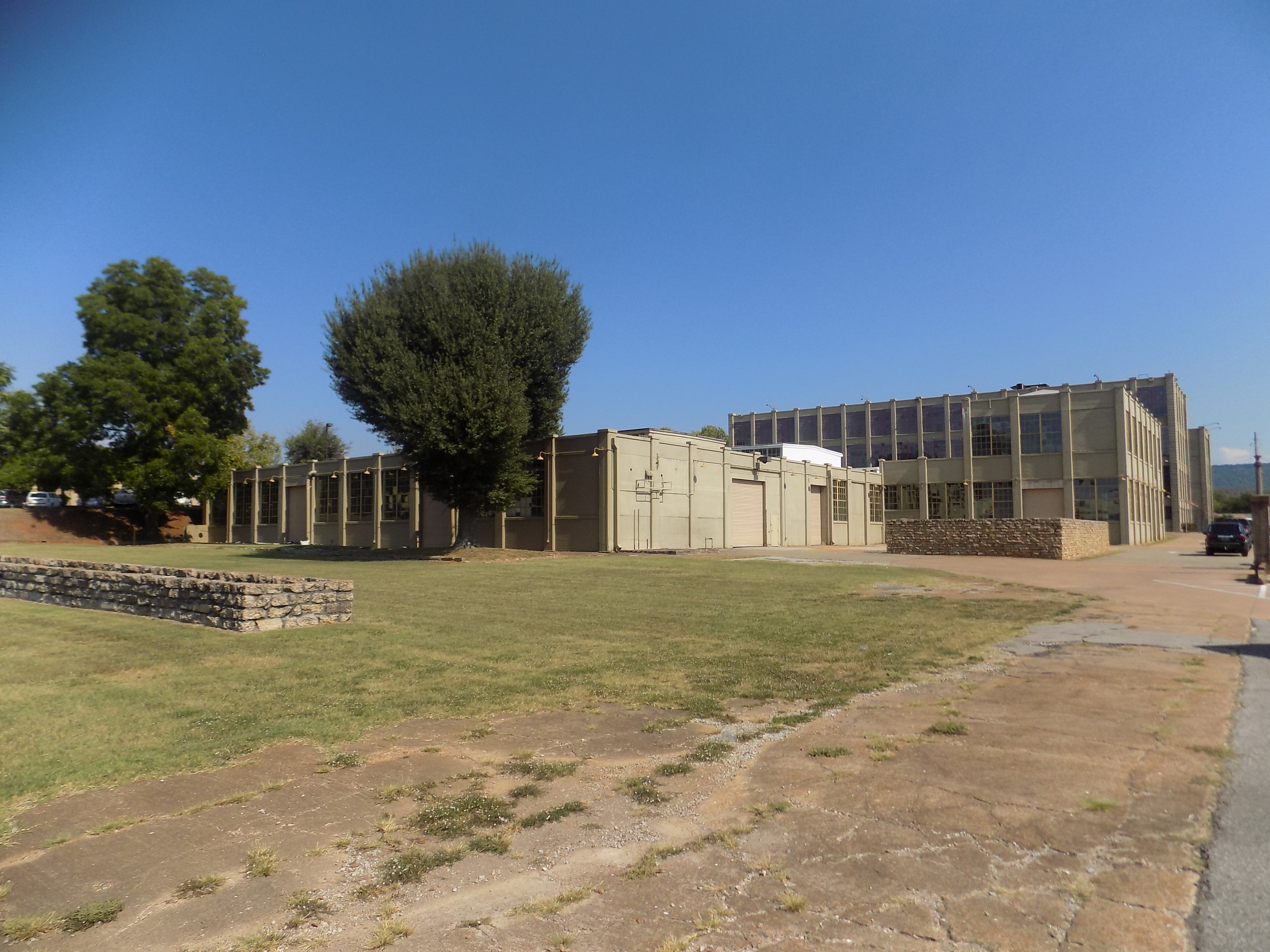
Lincoln Mill, built in 1900 near downtown Huntsville, Alabama, was once the largest cotton mill in a town that thrived on cotton production in the first half of the 20th Century. When Lincoln Mill shut down in 1955, the buildings were repurposed to house NASA offices. Now, the remaining Mill #3 has become a base for innovative technology and other concerns that seek to define Huntsville in the 21st Century.

Remnants of the historic mill village remain in structures like Lincoln School, the mill commissary, and numerous residential sites – duplexes and single-family houses – originally built to house mill workers and management.

Lincoln Mill #3

Upon moving to Huntsville, I was intrigued by the remaining evidence of the area’s cotton production that was scattered throughout the area. Not that long ago, the Memorial Parkway / Highway 231/431 corridors were still lined with significant fields of cotton. Today, most of those fields have disappeared – victims of urban growth and development – but at this time of year, and despite semi-drought conditions, I am heartened when the fluffy white cotton bursts forth and what remains of the local cotton harvest commences.

Cotton production in the South has been stigmatized by a regrettable history. For me, however, it still represents a part of my personal family history; my foreparents in north Alabama worked their own modest farms without the assistance of enslaved people and, into the 20th Century, without assistance from anyone outside immediate family. My Grandfather Harbison worked his family farm until the 1940s when he moved his family and his skills to the steel-based factories of Birmingham.

I vividly recall a trip, as a young boy, to visit relatives in Cullman County in mid-October. It was cotton-picking time and my older cousins strapped a sack over my shoulder and led me into their family field to help pick cotton. I probably wasn’t out there for a very long time, but I have always cherished the memory of the time I helped with the harvest of such an important and enduring crop. That brief adventure provides a connection to my family’s farming legacy.

Decades later, in 2012, I was one of many volunteers from far-flung places who helped to maintain a seven-acre field of organic cotton near Trinity, Alabama, in Morgan County. When I went there, my job was to weed. Chemicals were not being used with the crop and weeds were prodigious. It was an experiment by the Florence-based fashion designers Natalie Chanin and Billy Reid to gauge the feasibility of growing their own totally organic cotton crop in north Alabama. I’m not sure of the conclusions of the experiment, but for me the yield produced one of my favorite tee-shirts of all time and a scarf which has been repurposed as a table runner. .


Holtz Leather Co. – exterior

Holtz Leather Company (www.holtzleather.com) is located in the former Lincoln Commissary, not far from the campus where I teach. The recently renovated 1920’s-era building is also home to Preservation Co., a family-owned architectural antiques business. I wish I had more excuses to stop by the Holtz retail shop because each visit makes me happy.

Holtz is a family-owned business offering high quality leather goods. The showroom smells of leather and displays an array of distinctive and authentic wares. Belts, wallets, bags, portfolios, purses, and journals are among the distinctive designs available from Holtz Leather. The company catalog is itself a thing of craft and beauty, as readable as a compelling piece of literature.

I first came to Holtz to purchase engraved journals for my teenaged nephew and a couple of favorite girls who are the daughters of friends. As is the case with all good gifts, I yearned for a Holtz journal of my own.

Instead, I stopped off at the Holtz showroom when I needed a new leather belt. The sales associate led me to choose my waist size, my color, my buckle, and the monogram for the loop. I left with a custom belt, crafted while I watched. The whole process took less than ten minutes.

Ian finishing a belt

Holtz Leather Co. – interior


A few days ago, I needed another belt and went through the custom process again with an equally attentive associate, Ian. The Holtz showroom is transformative; one looks out the expansive street-side windows and imagines the days of the factory workers whose long and hard labor had such an impact on the local economy. At the same time, Holtz employees like Ian are exalting the handmade traditions of the place with their own skills and returning a small slice of Huntsville to some semblance of its admirable, but disappearing, roots.


About forty-five miles southwest of Huntsville, Red Land Cotton (www.redlandcotton.com) in Moulton, Alabama, is an even more direct tribute to Southern cotton culture. The Yeager family grows and monitors its own cotton fields in northwest Alabama to create luxurious heirloom linens that are totally produced in the American South. Their slogan is “Heirloom Offerings from Our Farm to Your Home” and their story, lovingly presented through videos and essays on their company website, is a hopeful and inspiring one.

Red Land Cotton linens are grown and ginned in Alabama, spun and woven in South Carolina, and finished in Georgia, using minimal processing and chemicals. Finally, the cotton returns to Moulton to be sewn, sold, and shipped to consumers across the country. Red Land collections include bed and bath linens – including linens for baby beds, quilts, and a line of women’s loungewear.

Mark Yeager was inspired to produce heirloom linens by memories of the sheets he slept on as a boy at his grandmother’s house. These memories led to taking a 1920s heirloom bed sheet, sending it off for an engineering analysis of its construction, and producing a thicker yarn than one finds in contemporary store-bought sheets.

Red Land Cotton linens have only been available for a few years but I have heard enough good things about them that I decided to invest in a set recently. The package arrived promptly and the packaging was beautiful. I’m not sure that I’ve ever been excited about a new set of bed linens before but the Red Land Cotton experience felt special.

Once the sheets were washed and put on the bed, they did not disappoint. They are sturdy and comfortable and lend themselves to a rich and deep night’s sleep.


With the holidays soon to be upon us, it’s sometimes hard to find quality items from local purveyors using local workers and materials. The quality family-owned businesses like Holtz Leather and Red Land Cotton give assurance that such companies are still out there if we just keep our eyes and ears open. These fresh new businesses, built on tradition and on the relics of the Southern cotton legacy, are forward-thinking treasures to be supported.